- HOME
- Authentic Paella
What Makes a Paella Recipe Truly Authentic in Valencia?
By Edu Valor / Author - Spanish Chef
Do you want to see a Valencian chef cringe? Tell them that any rice dish made in a paella pan is an authentic paella recipe.
They are fiery about protecting their heritage. Today,
this age-old dish, treasured by Spaniards, enjoys cultural protection: in
November 2021 the Valencian government declared paella valenciana an intangible
cultural asset (Bien de Interés Cultural Inmaterial).
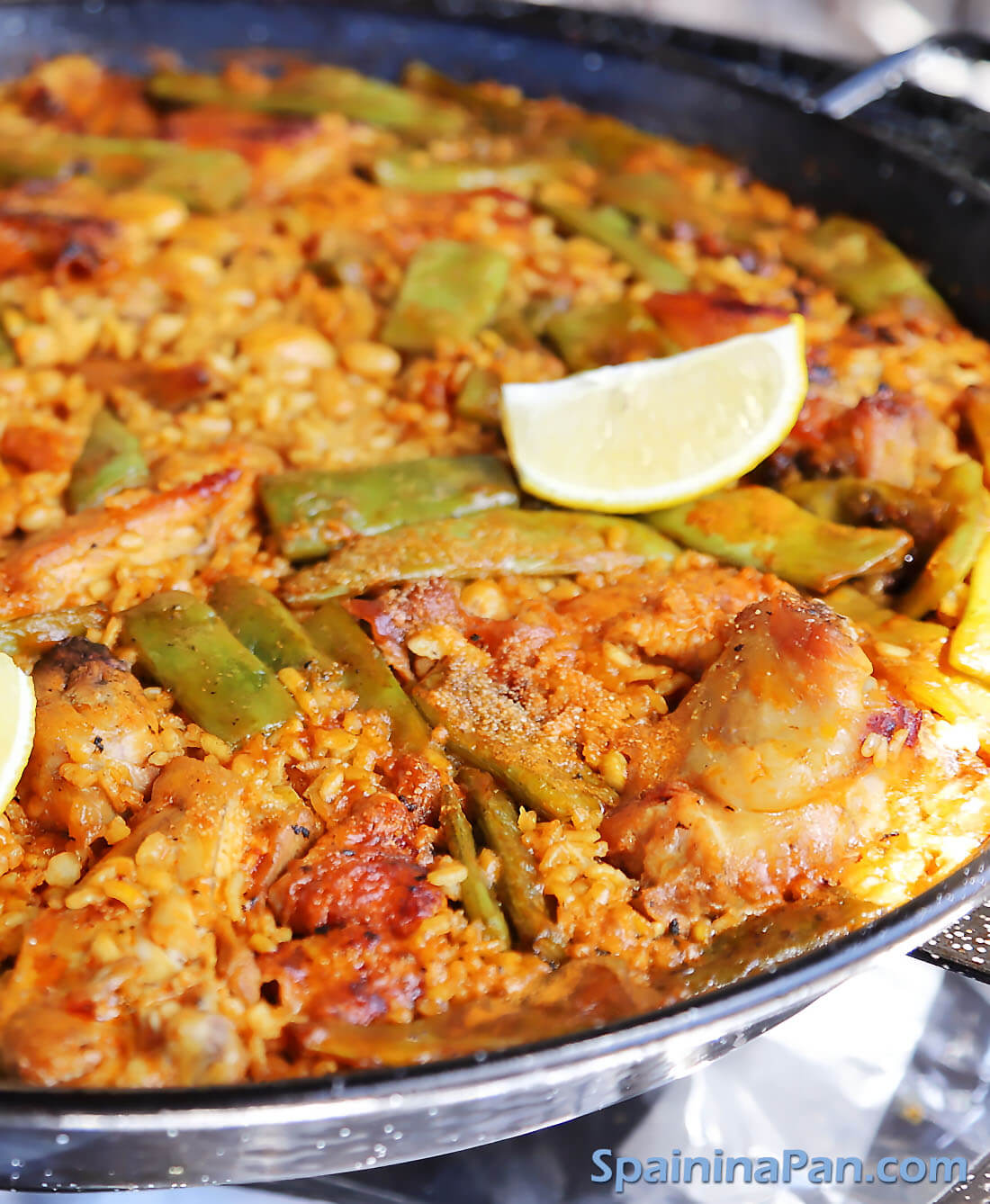
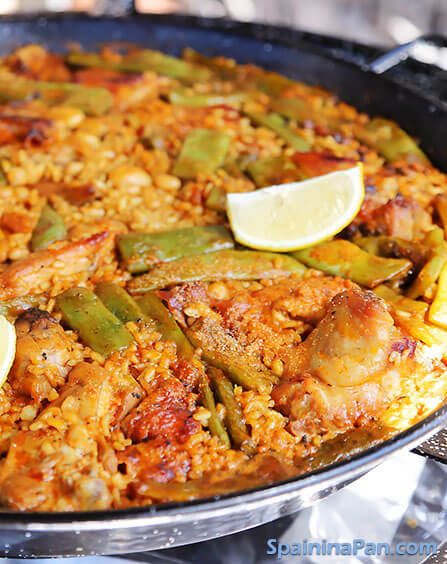
Not that I have anything against making your
own version. On the contrary! I’m all for creativity.
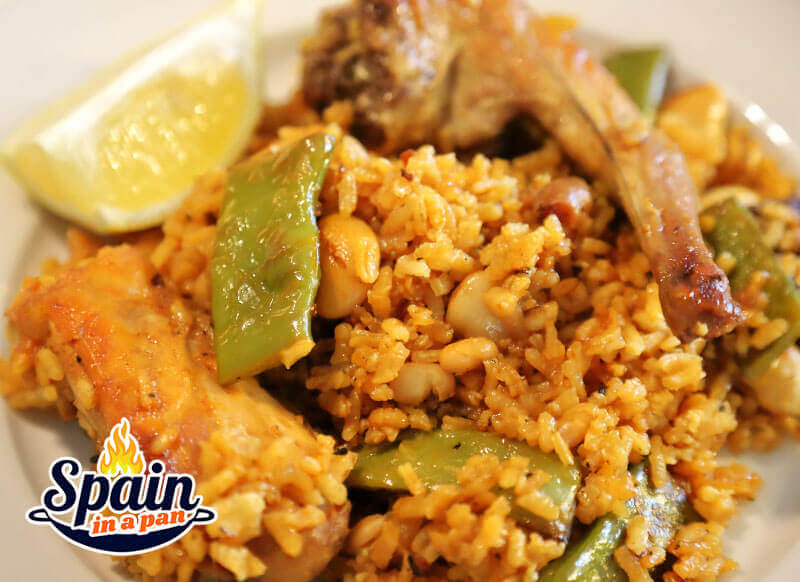
But when I order an authentic paella in Spain, I’m expecting a paella Valenciana like the one above. Nobody likes to receive what they didn't order for!
Researchers needed to document the recipe so we could all enjoy the old tradition.
Research Proof: How Valencians Defined the Authentic Paella Recipe
A study by the Catholic University of Valencia,
led by anthropologist Pablo Vidal with co-authors
Pilar Medrano and Enrique Sáez, and presented together with chef José Andrés, revealed
one thing.
The researchers surveyed almost 400 non-professional cooks, all older than 50, from the 266 towns of the province of Valencia.
They had to be older than 50 years because of their traditional cooking style. Modern-day twists could have skewed the authenticity too much.
In Valencia, it was most of the time the father, or the men of the family, who cooked these traditional rice dishes.
Below you have the result of that research
project. The study offers guidelines to focus the
debate; the heritage decree itself does not fix a recipe.
The 10 Essential Ingredients an Authentic Paella Recipe Must Include
According to the study, these ten
ingredients were used by nearly all the cooks (nine of them by more than 90%,
rabbit by 88.9%):
The ten essential ingredients are:
- Rice
- Olive oil
- Chicken
- Rabbit
- Water
- Salt
- Tomato
- Saffron
- Flat green beans (ferradura, a type of bajoqueta)
- Garrofón beans (a type of butter bean).
They also found 38 other regularly used and 50 other occasionally used ingredients.
The authors advise that anyone using the name paella Valenciana sticks to these ten ingredients, adds at most some from the regular and occasional lists, and leaves out everything outside those lists.
Only a few of the regular and occasional lists were admitted. These were artichoke, snails, rosemary, sweet paprika, red bell pepper, garlic, parsley, and duck.
The most-used extras were sweet paprika (62.5%), rosemary (about 52%), and artichoke (about 46%).
All those recipe versions qualify as authentic. Ingredients hardly used or not significant in the study were left out.
The research paper is on the International Journal of Gastronomy and Food Science website.
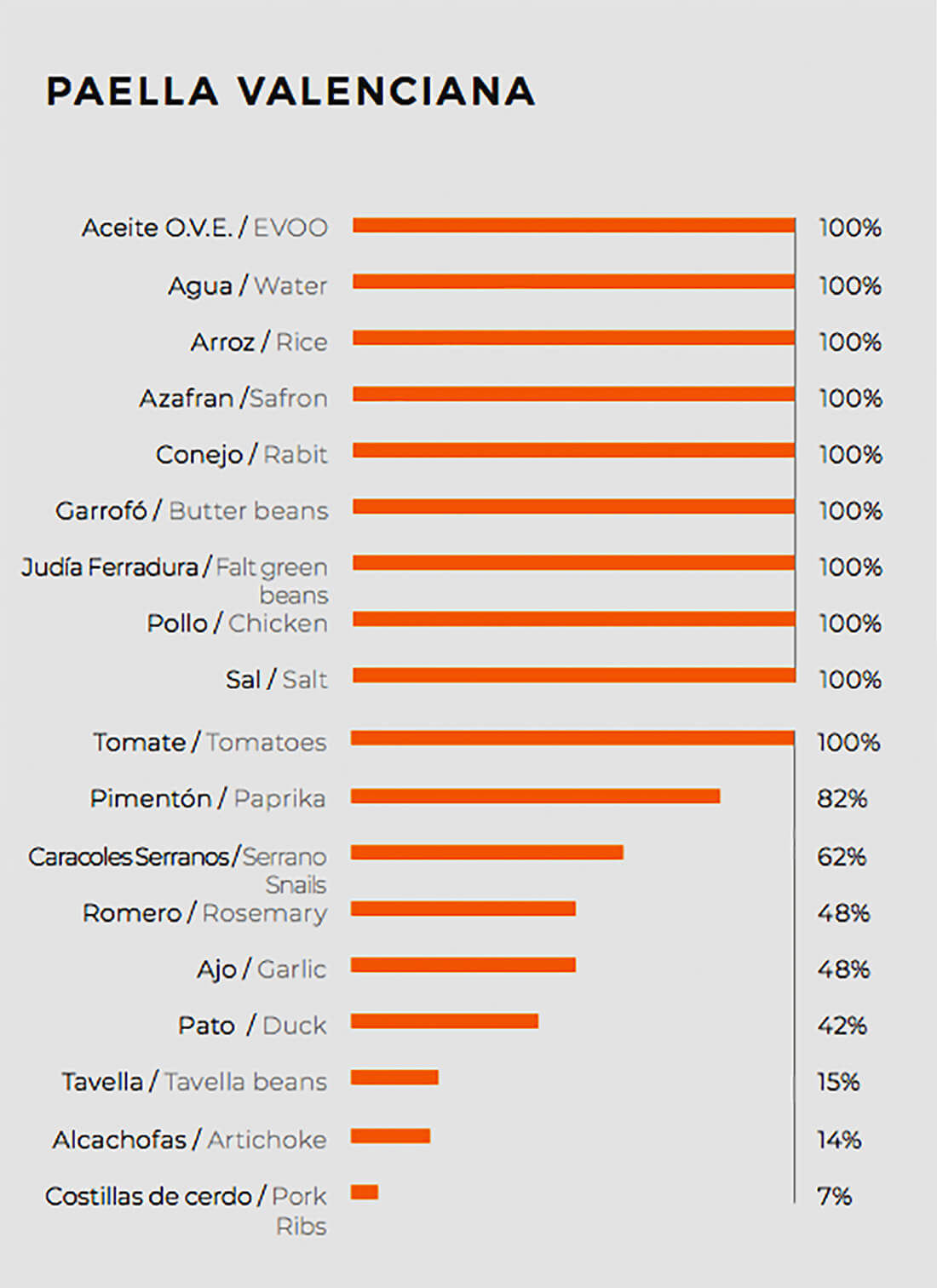 The most common ingredients of a paella valenciana.
Why Seafood Paella and Other Variations Are Not Paella Valenciana.
With so much demand across the world, I think it’s necessary to set boundaries. Let me go one step further.
The seafood paella – another hugely popular Valencian dish – is not paella Valenciana either. That shouldn't be a big surprise by now!
A rice dish can be authentically Spanish without being paella Valenciana; it simply carries the name of its defining ingredient(s).
We can have an authentic paella marinera (seafood paella, seafood as the defining ingredients), which has Valencian coastal roots.
That’s another pair of shoes, like other versions of the rice recipe. The purpose is to devise a set of rules to represent a tradition.
If we want to use the name paella Valenciana, I’d like the idea of a piece of history on a plate as part of a culture.
I like the thought of a lovely food gathering while remembering the good old times, as if we are part of something bigger than ourselves.
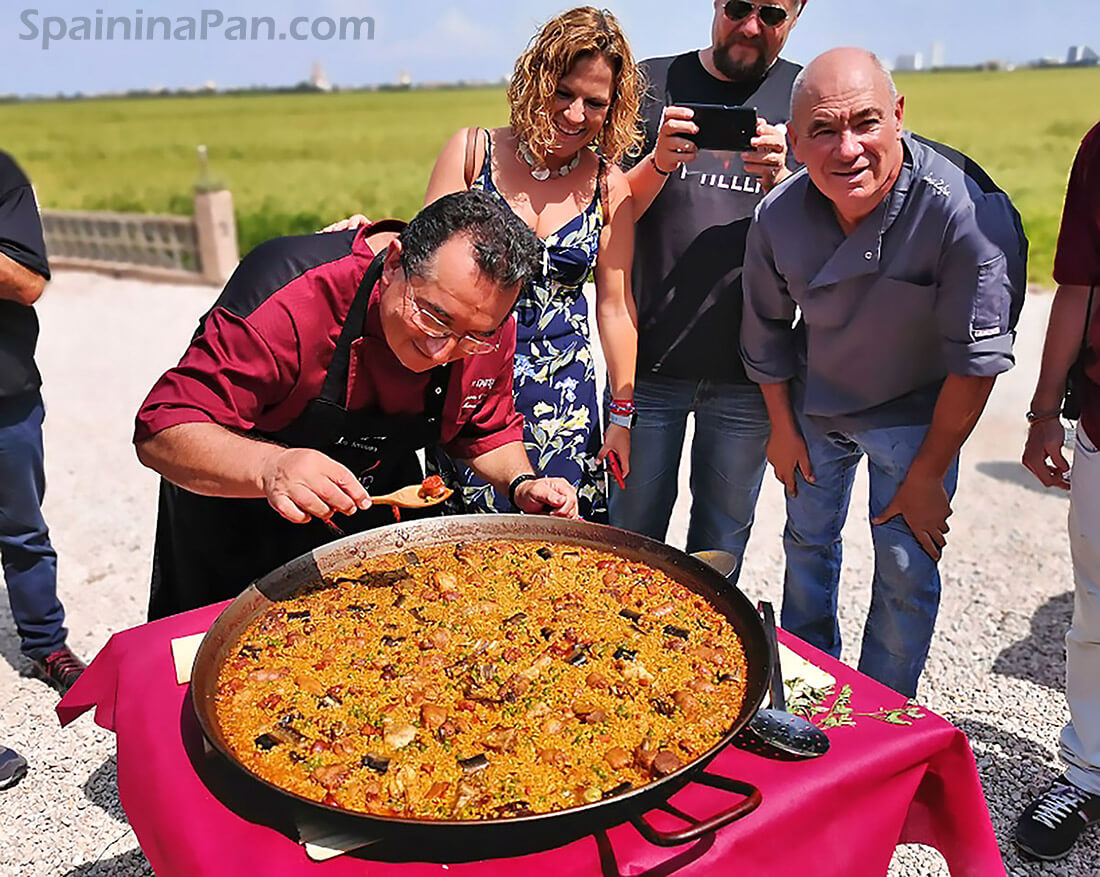 A traditional paella gathering, with among them Jose Cuñat.
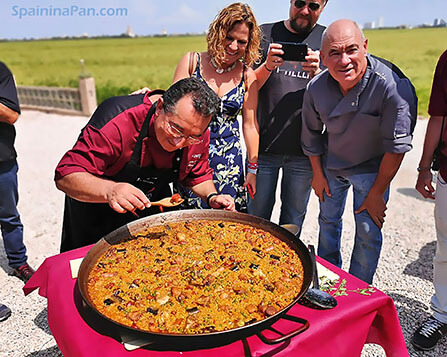 A traditional paella gathering, with among them Jose Cuñat.
Why the Name “Paella
Valenciana” Is Culturally Protected and Why It Matters?
So now you know the paella Valenciana is the authentic one, with its 8 optional ingredients.
Seafood paella, black paella, and other popular versions are NOT part of the "authentic" list. Authentic Spanish, yes, but not paella Valenciana!
Whoever says the dish includes chorizo is in for a witch hunt in gastronomic terms.
I don’t necessarily agree because some traditional paella recipes include, like in the photo above, longaniza or other types of sausages.
Early written recipes do list pork and sausages, but the cooks in the 2022 study did not use chorizo. There’s even an old recipe with meatballs.
Enough Spanish and international internet chefs were criticized for doing just that. Naming the rice creation is where the trouble hides.
Paella valenciana is an intangible cultural asset (Bien de Interés Cultural Inmaterial) under a Generalitat Valenciana decree published in November 2021.
That is heritage recognition, not a legal monopoly: it does not give Valencia exclusive rights to the name “paella Valenciana”, and “paella” can still be registered as a trademark at the moment of this writing.
When it comes to tradition and authenticity, certain people (including tourists) are interested in the culinary history of a region, and in tasting that history. I myself enjoy that experience, as do many others.
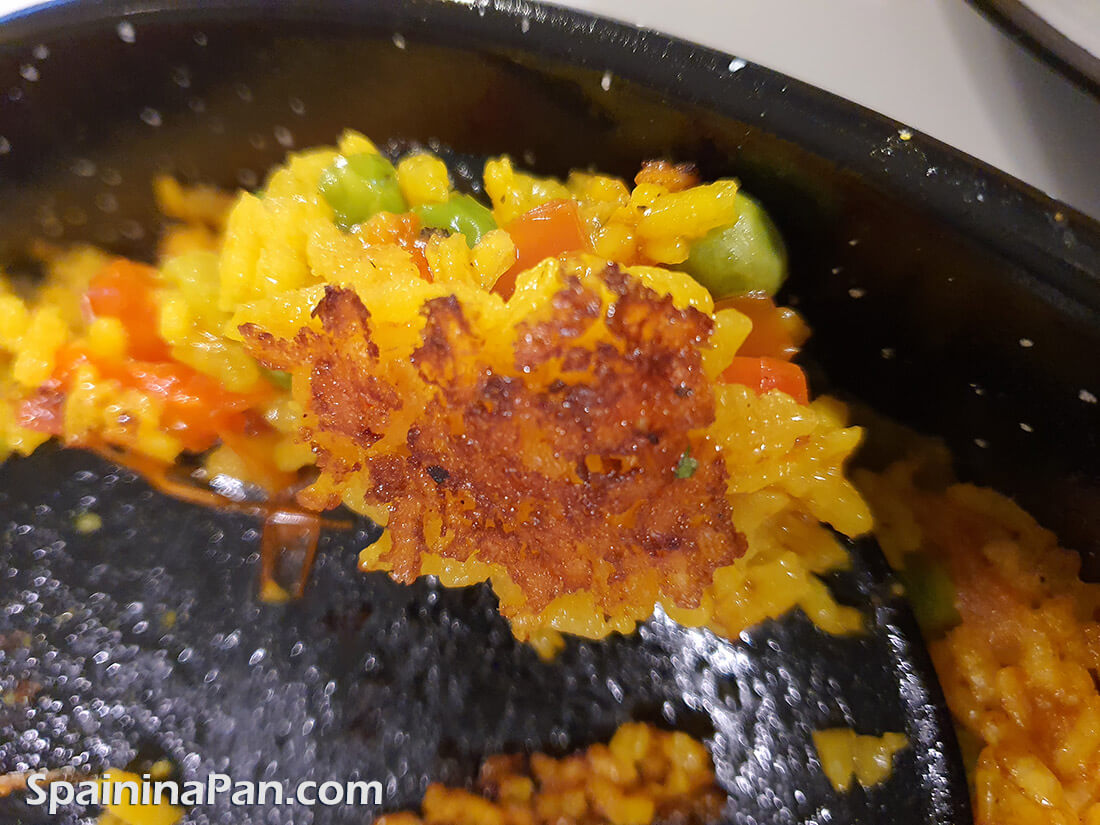 The crispy socarrat layer underneath the paella rice.
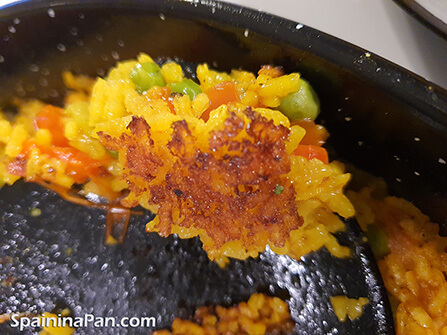 The crispy socarrat layer underneath the paella rice.
More Than a Recipe: The Authentic Paella as a Shared Tradition
I'm a big fan of paella Valenciana and what it
means as a tradition. It's an authentic paella recipe made to be shared as a group.
Whenever I need an excuse to get a group of people together, paella Valenciana is the perfect reason.
Ask yourself who you want to share it with over drinks and a good time. Whenever you are ready, here is how to make it!
The study also showed a popular tradition passed from parents (mostly fathers) to children. About 80% of home cooks prepare the dish for more than four people.
It’s clearly food for families, friends, and whoever else is invited. Most often made on Sundays or whenever people want to come together, to celebrate a special occasion, or not!
*****
Edu's Authentic Spanish Paella Recipes
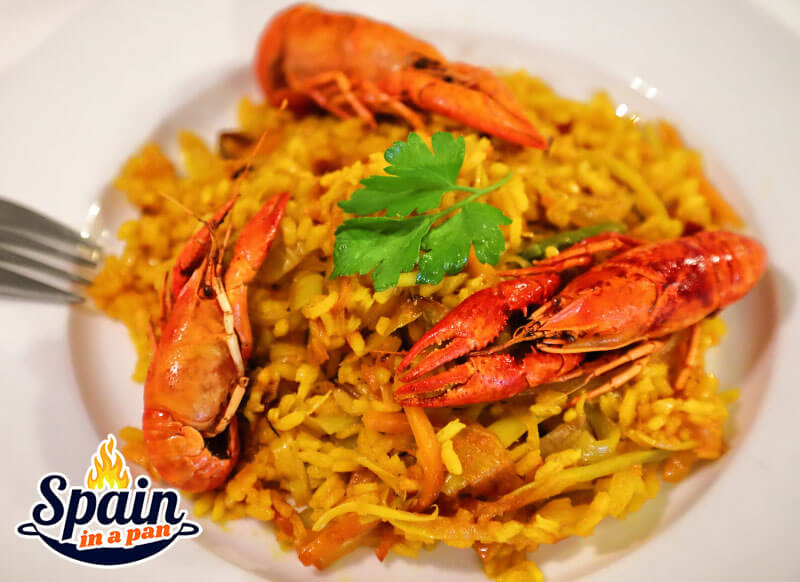
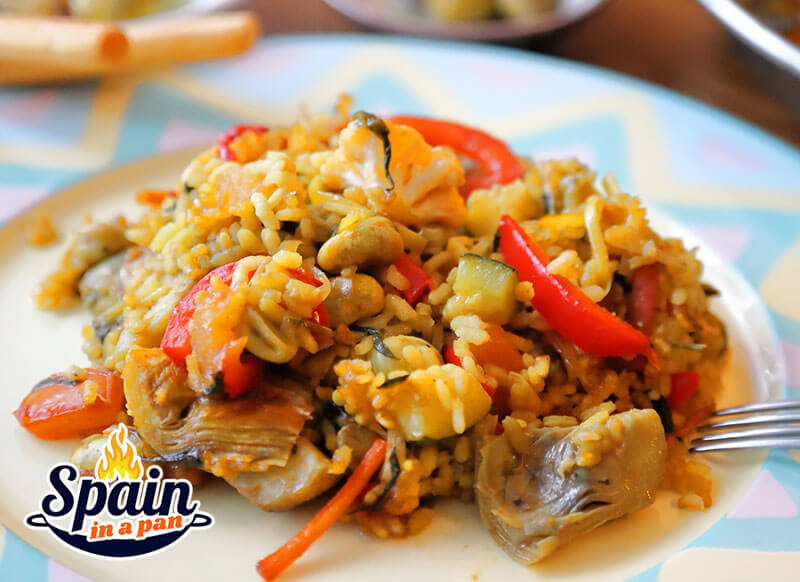
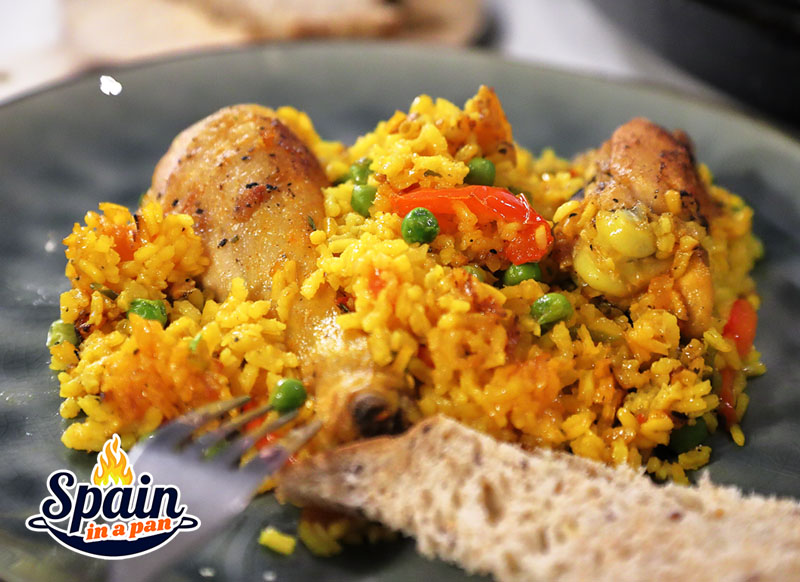
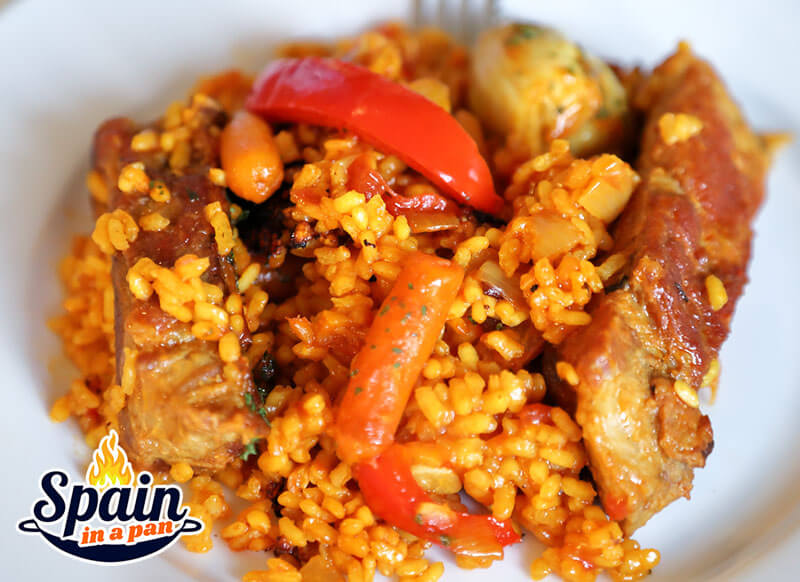

Recent Articles


-
Easy Spanish Chickpea and Seafood Stew
 Discover a delicious Spanish chickpea and seafood stew with tender chickpeas, fresh seafood, and rich Mediterranean flavors in every bite.
-
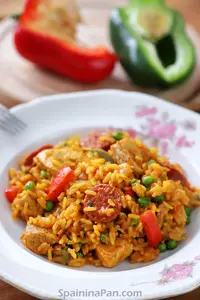
Spanish Chicken and Chorizo Paella Recipe | Easy & Flavorful
 Savor authentic flavors with this easy chicken and chorizo paella. Smoky chorizo, tender chicken, and saffron-infused rice.
-
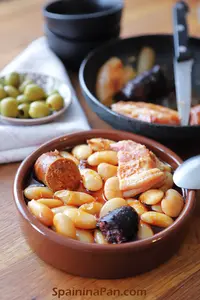
Best Fabada Recipe - Authentic Asturian Bean Stew
Discover the best fabada recipe: a rich, authentic Asturian bean stew with chorizo, morcilla and pork. Easy step-by-step guide for perfect results every time.


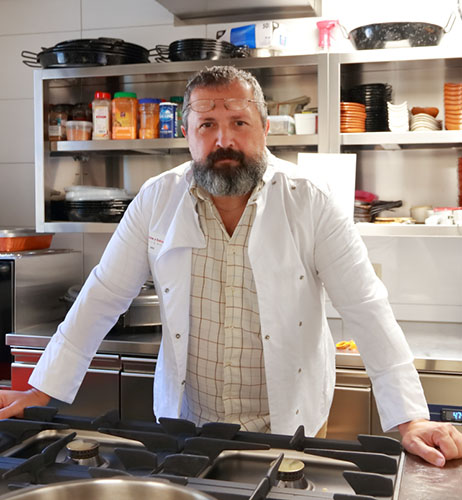
Hello there! I'm Edu, and I'm here to share my Spanish recipes for you to enjoy! As a cook, I love sharing my heritage through food, featuring the dishes our parents and grandparents made in Spain. From time to time, I still discover new culinary creations. Join me on this flavorful adventure and explore the delicious world of Spanish cuisine!