- HOME
- Pinchos
Big Flavors, Small Bites: Explore
Spanish Pinchos Recipes!
(Recetas de Pinchos)
By Edu Valor / Author - Spanish Chef
Let’s clear one thing up. Pintxos (or pinchos) didn’t appear out of nowhere. They grew out of Spain’s long-standing tapas tradition, small bites served alongside a drink.
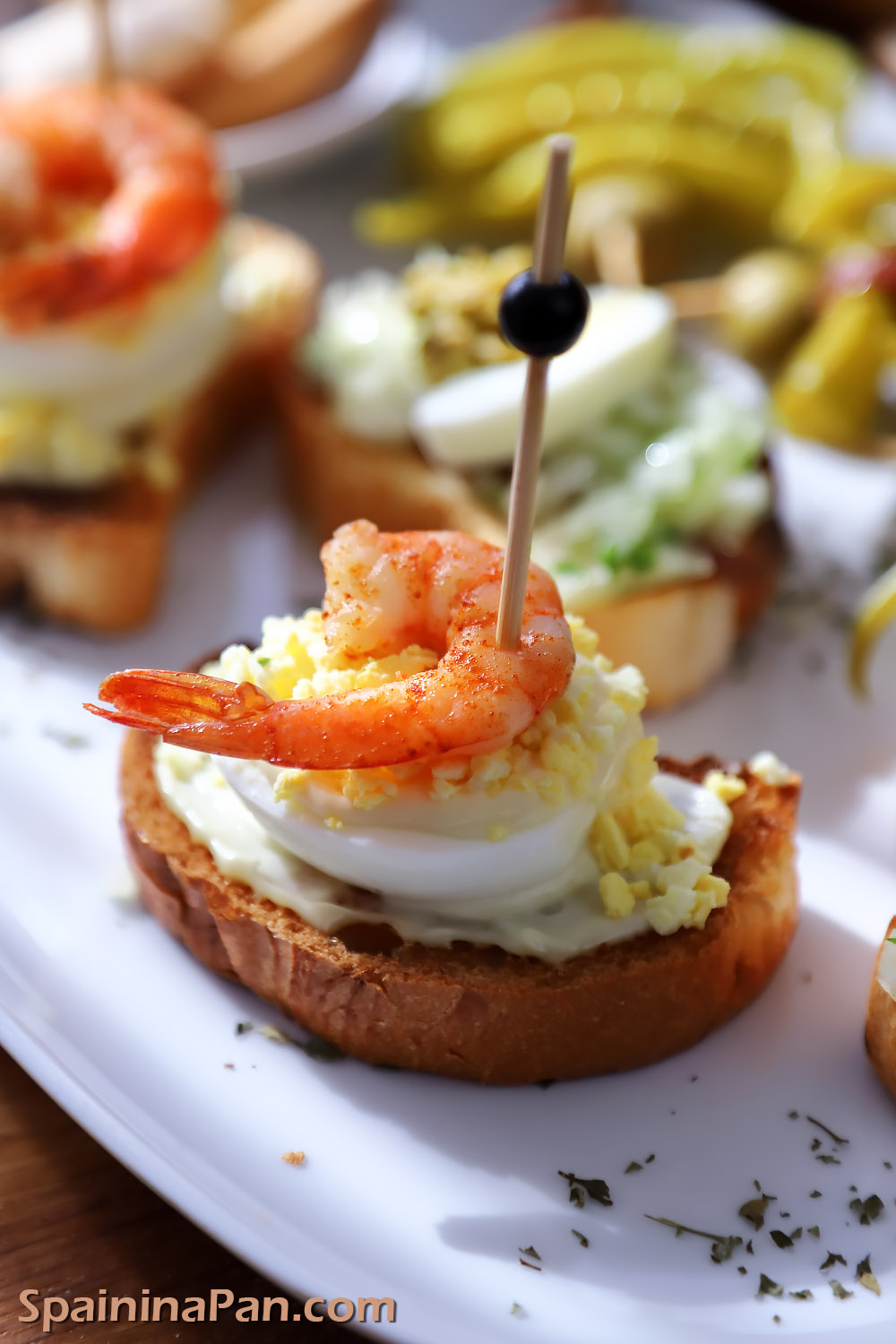
They can also be skewers, as shown in the photos below. And many other variations. Tapas and pintxos are synonymous, with the latter more artfully presented and often served on bar counters.
When we talk about Spanish pinchos recipes, we’re really talking about this delicious evolution of tapas into bite-sized culinary art.
The Origins of Spanish Pinchos Recipes
In the 1930s, something shifted in northern Spain. Bars began transforming simple tapas into more composed, eye-catching snacks, often held together with a toothpick and displayed on the counter.
It was a subtle but important change. Tapas were no longer just something that came with your drink, they became something of a refined snack.
In San Sebastián, that idea took hold. At Bar Vallés, the now-famous Gilda pintxo was created, named after the movie "Gilda" and inspired by Rita Hayworth herself.
They didn’t invent Spanish pinchos recipes, but they helped start a culinary identity of the region.
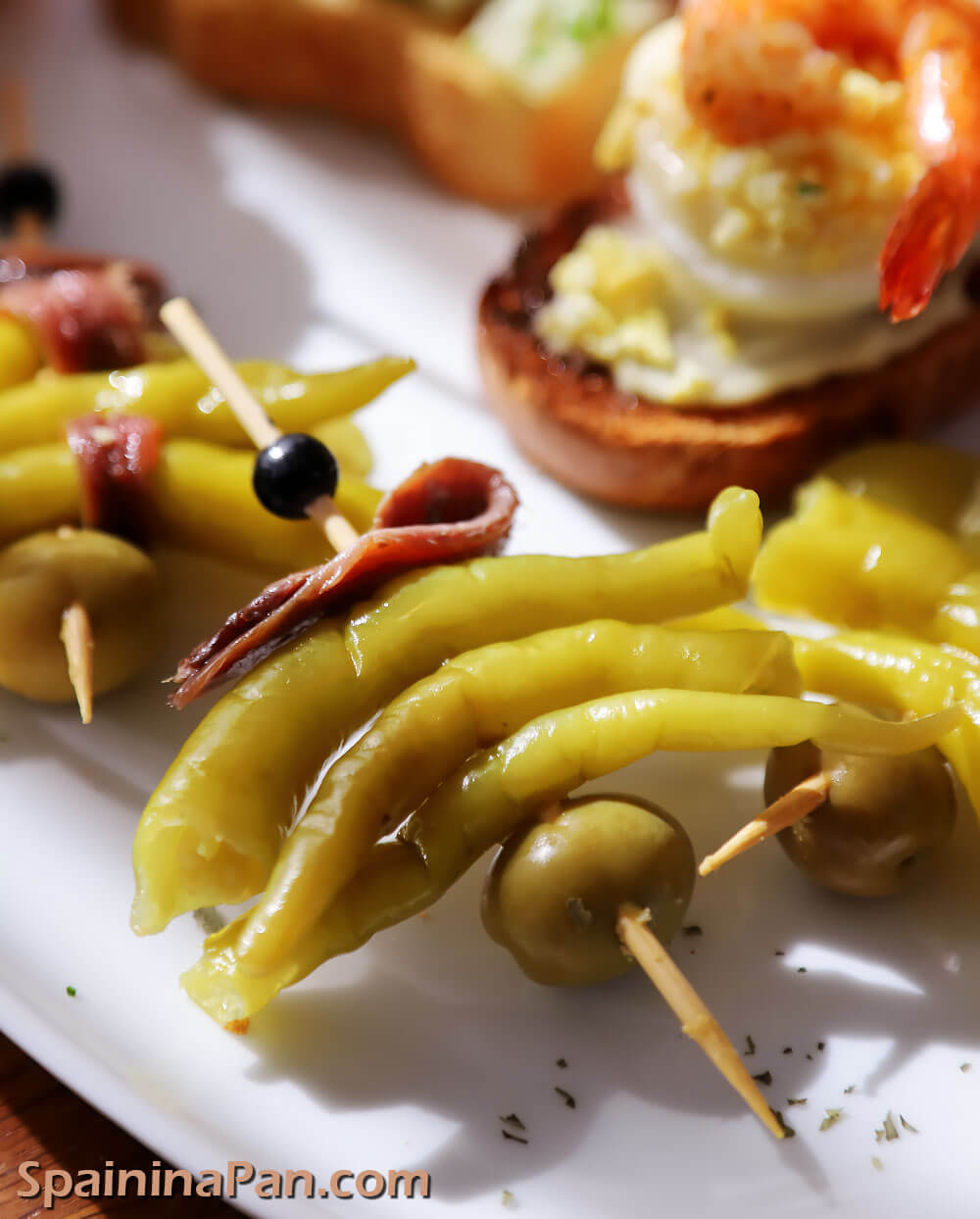 The Gilda breadless pintxo
 The Gilda breadless pintxo
Pintxos vs Tapas: What’s the Difference?
Here’s where it gets a little blurry. A bartender in San Sebastián once suggested: “¡Tenemos tapas de pintxos!” (“We have pintxo tapas!”). That didn’t exactly help and left me confused.
A simple way to think about it:
- Tapas are a broad category of small dishes
- Pintxos are a more specific style within that culture
Some Basques go even as far as calling all tapas dishes pintxos, whether they have sticks piercing them or not. A slice of tortilla de patatas, also a pintxo. Go figure!
What sets pintxos apart is presentation: the toothpick or skewer, the structure, and the fact that they’re often on the counter as individual, carefully composed bites.
What to Expect Inside a Pintxos Bar and How to Order
Some pintxos are cold and ready to grab, while others are made to order from a list or chalkboard menu behind the bar.
Sometimes you need to take a plate to put the snacks on and pay on the spot, or when you're finished. Sometimes you need to take a pen and form with all the pintxos and check the ones you want. You then pick up the tab at the bar to pay.
Sometimes you tell the bartender what you took, but the experience remains informal. Often, people stay for a short time to order a drink, grab a pintxo or two, and then move on to the next bar.
Much like they do with tapas bars, hopping from one place to another until the mood hits right to stay.
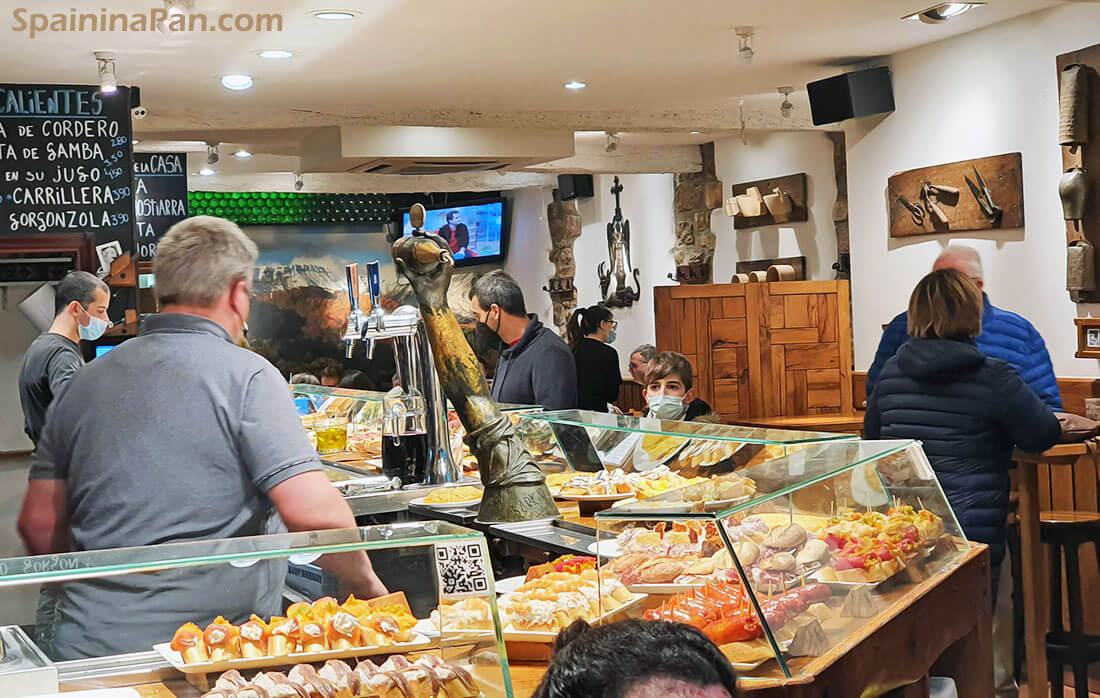 Pintxos bar Aralar in San Sebastián with its tempting counter.
 Pintxos bar Aralar in San Sebastián with its tempting counter.
The Most Popular Pintxos You Should Try First
If it’s your first time exploring pintxos, start with the more popular ones that locals order repeatedly. A lot of bars have one or two they are known for. Their signature pintxos!
There are a zillion different ones, and certain bars have their own creations besides the standard ones. Bar hopping doesn't sound like a bad idea if you get to discover the most appetizing ones tickling your taste buds.
The iconic one is the Gilda, but I imagine you'd want something more refined, like the Bilbainito, Delicia, or the runny Tortilla de Patatas. If you come down to it, a Gilda can be seen as the side salad or appetizer of the more elaborate pintxos.
Other favorites are Txangurro, a creamy spider crab mixture often baked in its shell. You’ll also see slices of baguette topped with jamón ibérico, grilled mushrooms with garlic and parsley, and tender bacalao (salt cod) prepared in rich sauces.
When you see something appetizing, order it and try it. There's plenty of choice. Make sure to ask what's in it if allergens are a concern.
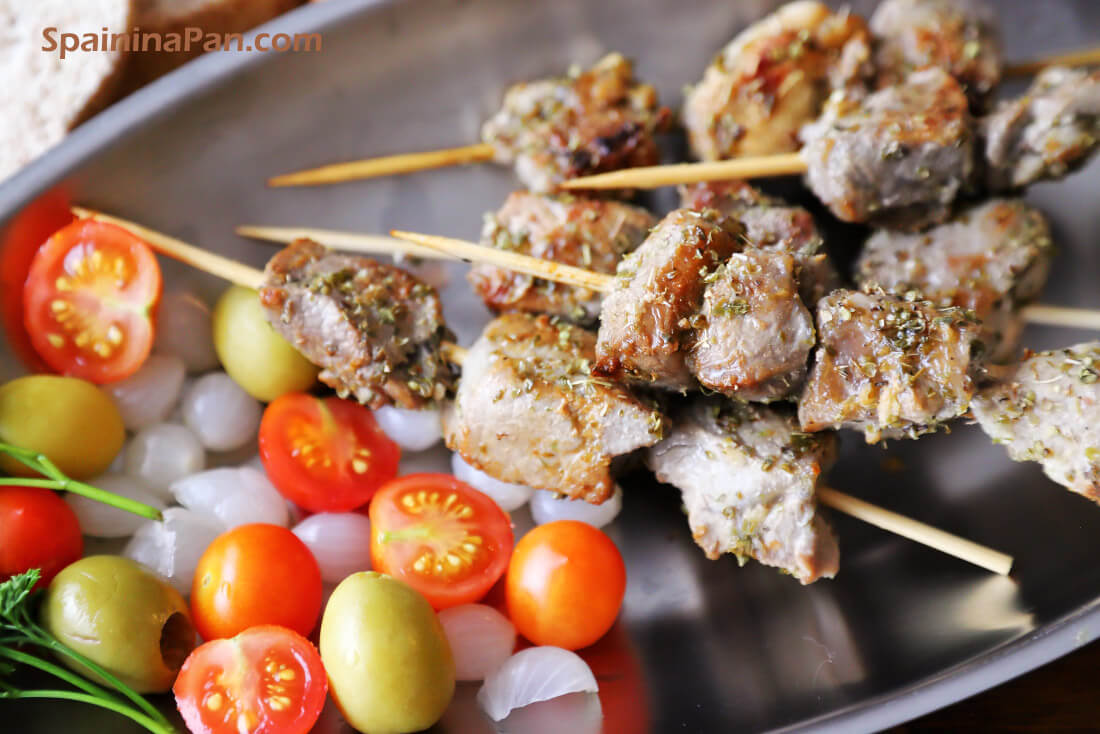 Garlic pork pinchos. Their fragrance alone is worth the effort.
How to Do a Pintxo Crawl Like a Local?
Bar hopping isn’t as popular with older generations, but it’s still very much alive. In places like San Sebastián, doing four or five stops in one evening isn’t unusual.
Keep in mind that during high season, it can get crowded with long lines outside. Here's a tip! Since most Spaniards eat late, start your round early, say around 20 hours (8 pm).
Take into account that some bars may not serve at that time, but you never know in touristy places.
You typically don’t sit for long unless you’re going for a full meal. The atmosphere is lively, and sometimes that’s exactly what makes you stay.
A few simple tips:
- Ask what the house specialty is
- Take a good look at the counter, see anything interesting?
- Order a small drink (like a zurito or a glass of wine) with one or two pintxos
- For pintxos, you’ll usually stand at the bar, counter (not advised), or a high table
- Move on to the next spot, ideally one offering something different
Wandering between bars is part of the experience. The old quarter in San Sebastián makes it especially easy, and you never know what you’ll discover.
Pintxos crawling, like tapas hopping, is a long-standing tradition in Spain, especially among younger groups.
Save Some Money with Pintxo-Pote
If bar hopping isn’t your thing but you still want to try pintxos at a friendly price, there’s pintxo-pote.
In the Basque Country, many bars offer this on Thursdays: a drink (usually beer or wine) paired with a pintxo for an affordable price. I've seen them go for 2 euros, about 2.3 USD for the two, at the time of this writing.
It’s a great way to enjoy local culture and socialize without overthinking it. While it can be found on other days too, Thursday remains the tradition.
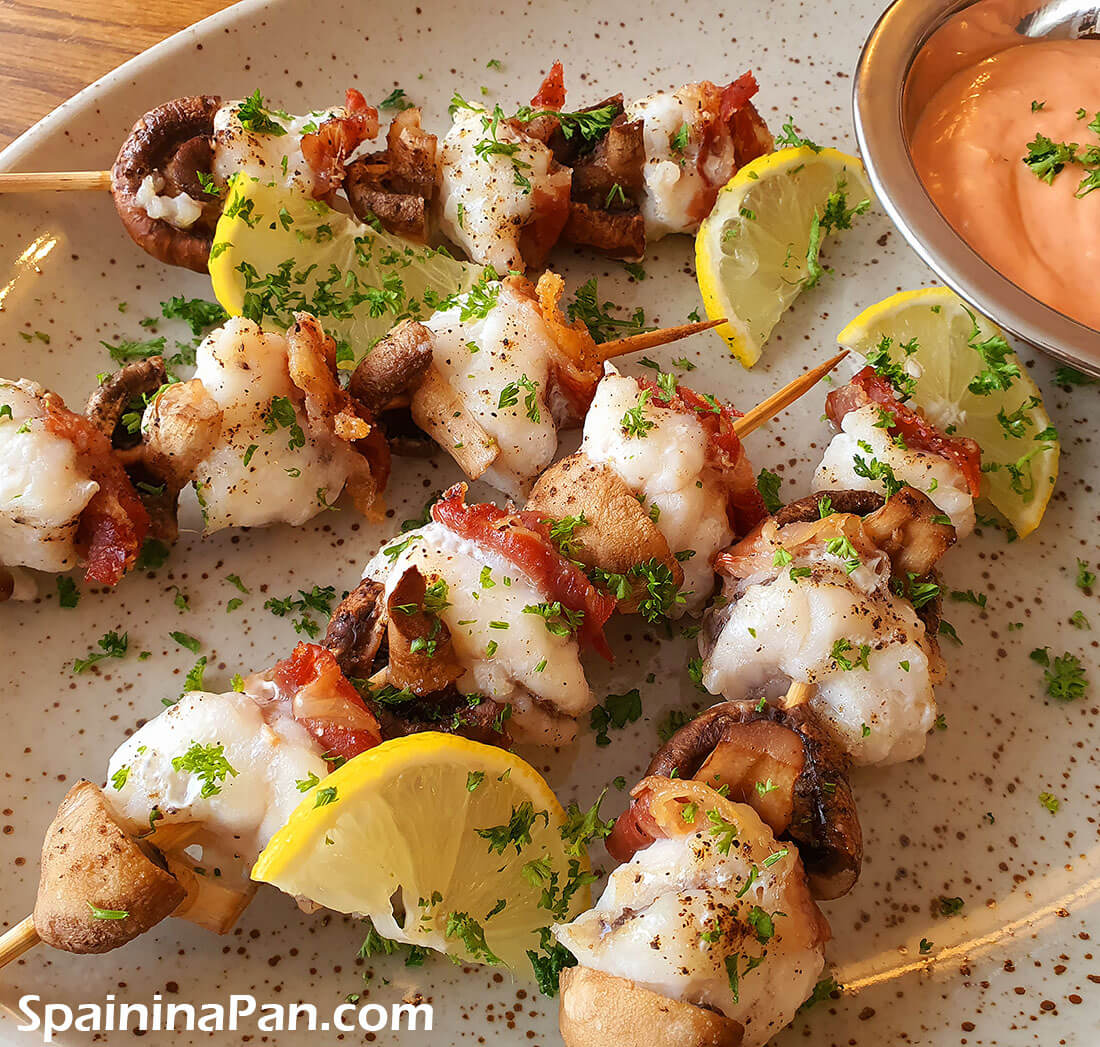 Monkfish pinchos with cocktail sauce.
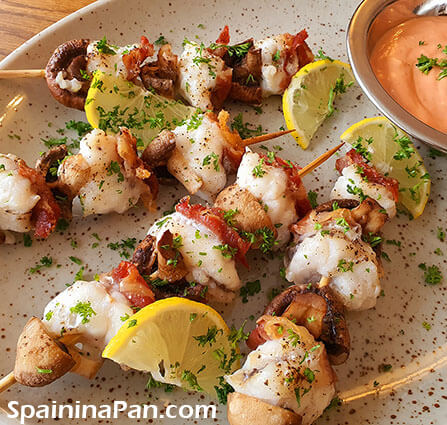 Monkfish pinchos with cocktail sauce.
The Other Must-Try Spanish Pinchos Recipes
Another type of pincho is the skewer-style version, long sticks of vegetables, meat, and seafood, like the ones above.
A well-known variation is the Andalusian pinchitos morunos, a popular barbecue brochette in Spain. Often prepared during the ferias.
Like other tapas, they’re meant to be shared and enjoyed with drinks. They’re typically grilled, which gives them a smoky flavor that pairs well with spices and marinades.
After a long day, nothing beats a couple of pinchos, and that can be any small snack crafted the way you like it on toasted bread or not, and a drizzle of olive oil. That’s hard to top!
No matter the form, Spanish pinchos recipes come in countless variations. There’s always something for everyone.
*****
Edu's Tasty Pinchos Recipes
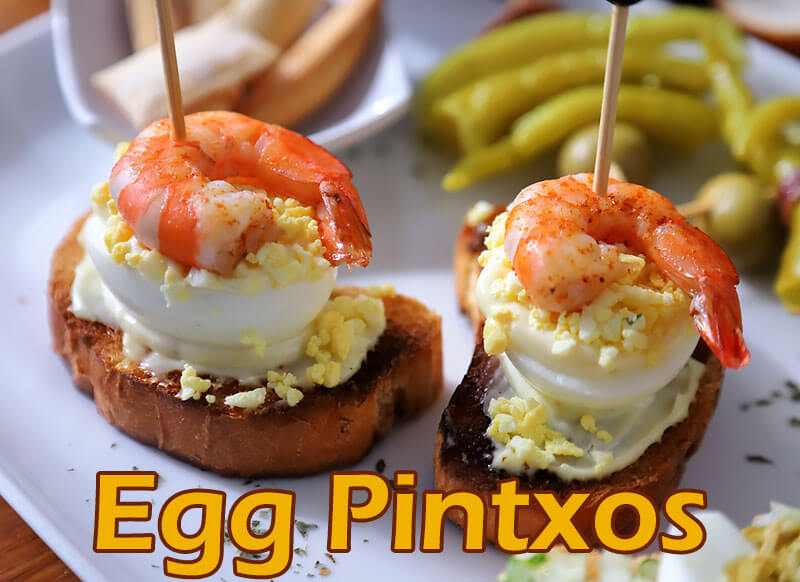 Egg Pinchos
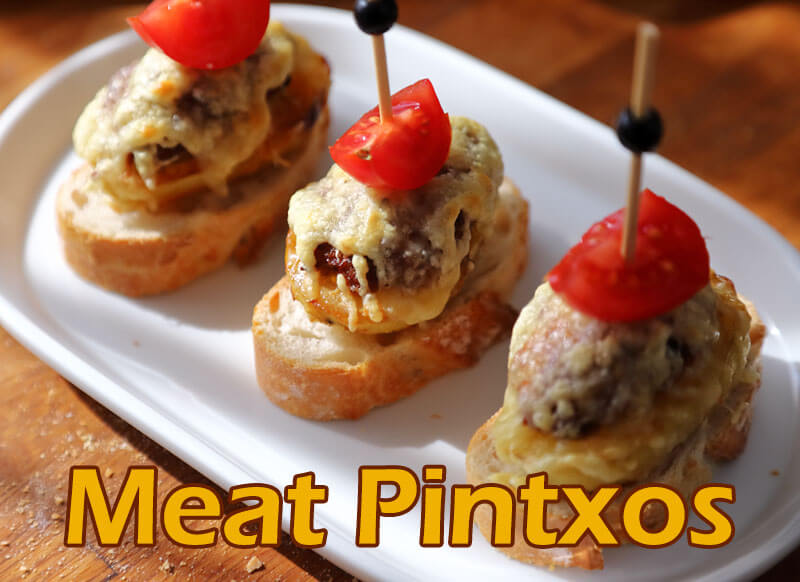 Meat Pinchos
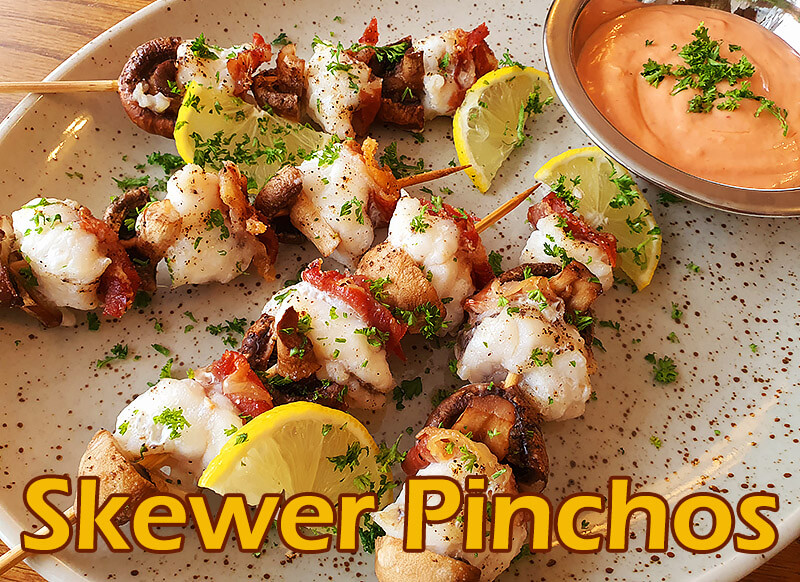 Skewer Pinchos
Recent Articles


-
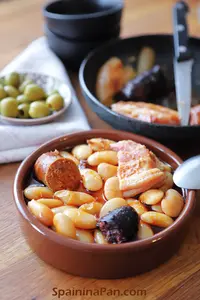
Best Fabada Recipe - Authentic Asturian Bean Stew
 Discover the best fabada recipe: a rich, authentic Asturian bean stew with chorizo, morcilla and pork. Easy step-by-step guide for perfect results every time.
 -
Easy Spanish Chicken and Eggs Soup
A comforting Spanish chicken and eggs soup recipe. Simple ingredients, great flavor and ready in under an hour. -
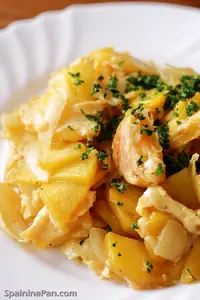
Spanish Scrambled Potatoes | Easy 20-Min Recipe
Spanish scrambled potatoes with a crispy, golden finish. This easy 20-minute recipe delivers natural, authentic flavor with simple ingredients.



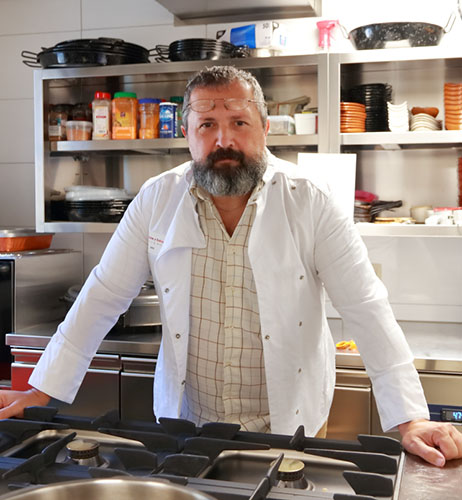
Hello there! I'm Edu, and I'm here to share my Spanish recipes for you to enjoy! As a cook, I love sharing my heritage through food, featuring the dishes our parents and grandparents made in Spain. From time to time, I still discover new culinary creations. Join me on this flavorful adventure and explore the delicious world of Spanish cuisine!