- HOME
- Rice Recipes
The Art of Flavorful and Easy Spanish Rice Recipes
(Platos de Arroz)
By Edu Valor / Author - Spanish Chef
I enjoy making easy Spanish rice recipes that are tasty, and affordable. From arroz con pollo to arroz con almejas, these dishes make weeknight meals a breeze.
Spain has no shortage of rice recipes, and trust me, many of them are worth repeating. One thing I’ve learned over the years is that a good, filling meal doesn’t need to be complicated. In fact, some of the best Spanish rice dishes are built on just a handful of pantry staples.
Rice is low-maintenance, budget-friendly, and it keeps almost indefinitely when stored properly. Few ingredients give you so much flexibility for so little cost.
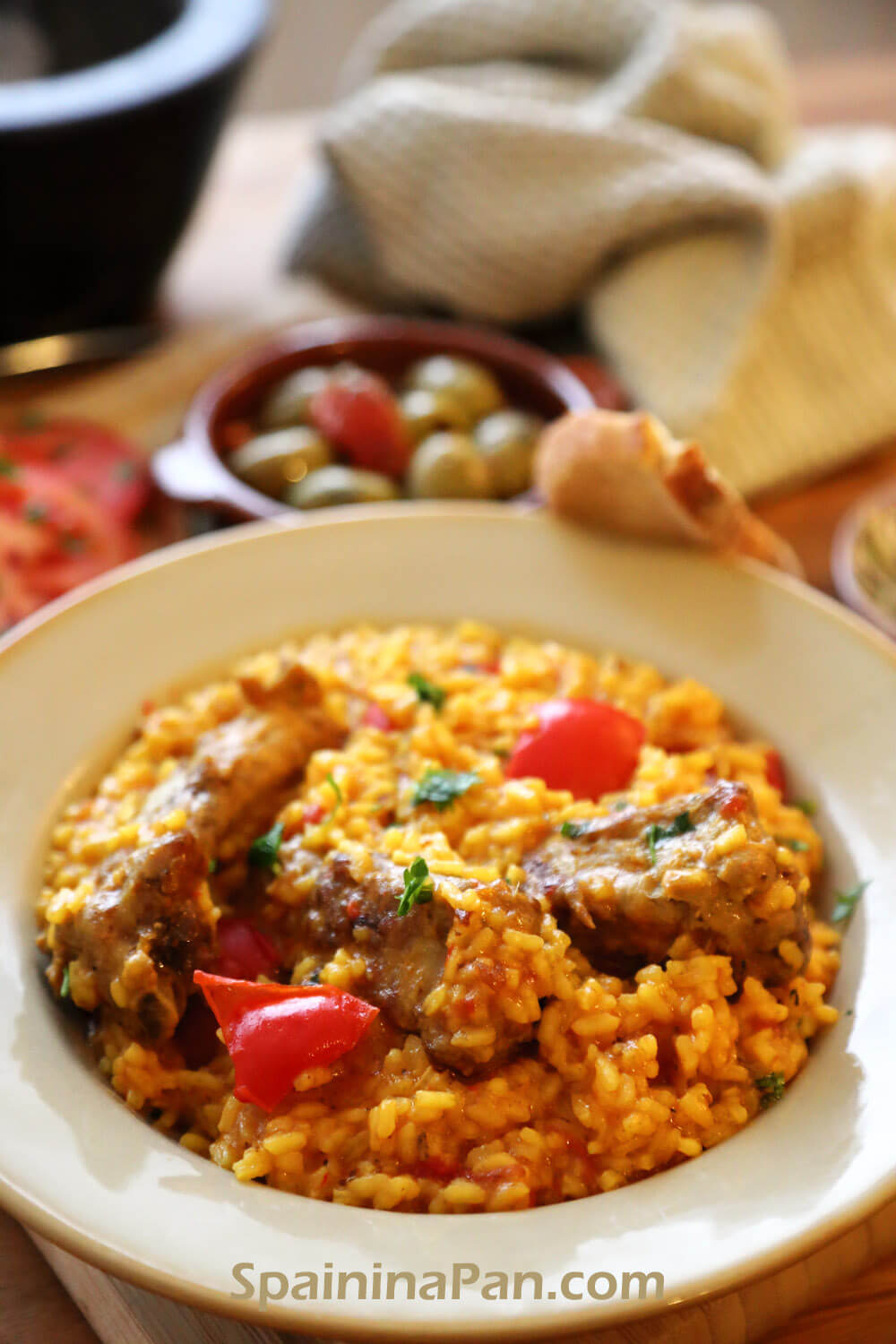
One-Pan Wonders: Easy Spanish Rice Recipes with
Little Cleanup
Spain is one of Europe’s leading rice producers, alongside Italy, with major rice-growing regions in Valencia, Andalucia, Murcia, and the Ebro Delta. It’s no surprise that so many traditional dishes are built around it.
Most Spanish rice recipes are cooked in a single vessel. While the traditional paella pan gets all the attention, large skillets, shallow casseroles, Dutch ovens, and even simple cooking pots work perfectly well.
The magic is in the method. First comes the sofrito, that slow-cooked base of onion, garlic, tomato, and olive oil. Then the liquid and the rice.
Everything builds in stages in the same pan, allowing the rice to absorb layer after layer of flavor. And the bonus? Very little cleanup.
Dishes like arroz al horno (oven-baked rice) and arroz con verduras (rice with vegetables) follow this same practical approach. They’re hearty, reliable, and ideal for everyday cooking.
When you need something filling, flavorful, and easy on the wallet, rice recipes are hard to beat.
 Valencia, where rice cultivation began ages ago.
 Valencia, where rice cultivation began ages ago.
Tips and Tricks for Getting the Perfect Texture
Getting rice right starts with the liquid-to-rice ratio. Too much liquid and you risk mush. Too little and you end up with undercooked grains. Precision matters, especially with Spanish short-grain varieties.
In Spain, short- to medium-grain rice is most common. Varieties like Senia and Bahía absorb flavor beautifully but can turn pasty if overcooked.
Some chefs swear by them for their flavor absorption, but personally, I prefer rice that holds its structure even if you slightly overshoot the cooking time.
That’s why Bomba is often considered premium. It can absorb up to three times its volume in liquid while maintaining its shape.
Outside Valencia, Calasparra and Arrozúa are also well-known Bomba brands. The grains stay separate and firm, which makes them ideal for paella and other dry-style rice dishes.
My personal order of preference? Bomba and Albufera f, or good-quality short- or medium-grain rice. At home in Spain, round-grain rice is often the everyday choice simply because it’s more affordable.
Long-grain rice isn’t traditionally used for paella, mainly because of its lower starch content. It won’t give you creamy rice dishes or arroz con leche, but for many Spanish-style rice dishes, it works surprisingly well.
And then there’s brown rice (arroz integral). It’s gaining popularity for its fiber content and lower glycemic impact compared to white rice.
It has a firmer texture and longer cooking time, but if you’re health-conscious and don’t mind the chew, it’s a solid option.
A World Feeder That’s Good for Your Wallet
Rice has been a kitchen hero for centuries. When I was growing up, the only thing cheaper than rice was potatoes.
The Spanish have been cooking rice-based meals since the 8th century, when the Moors introduced rice cultivation to the Iberian Peninsula. From there, it became deeply rooted in regional cuisines, especially in Valencia.
Globally, rice feeds more than half of the world’s population and provides about 20% of the world’s dietary energy supply. That’s not a small role. It’s one of the most important staple foods on the planet.
And of course, one of Spain’s most famous contributions to the world is paella. What started as a humble farm dish in Valencia has become a global favorite.
If you’ve never had a properly made paella with the rice cooked just right, slightly firm, with a toasted bottom layer known as socarrat, you’re missing one of life’s simple pleasures.
Or keep it simple: a cooking pot, chicken meat, and rice with a standard sofrito (sauté). Affordable and good!
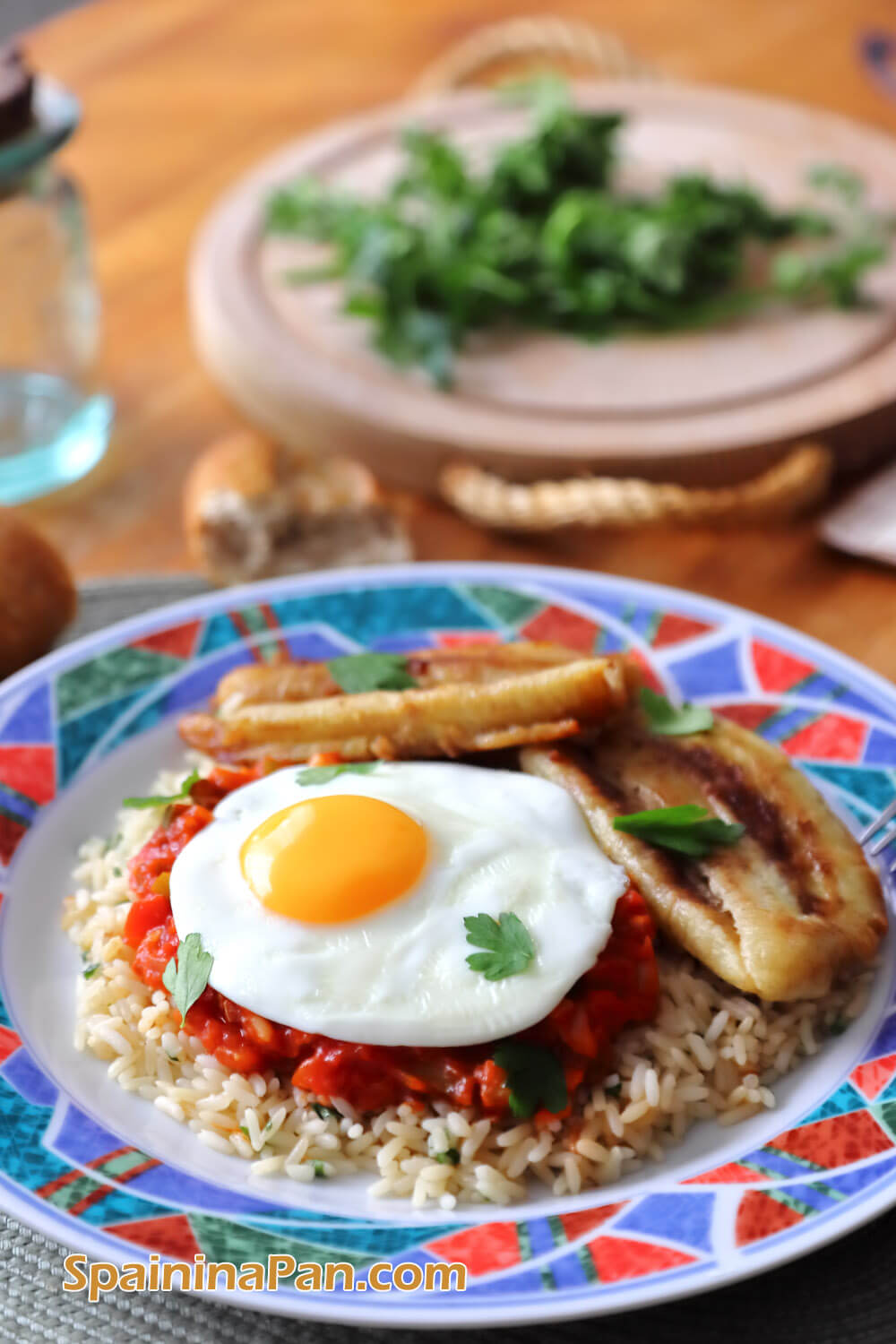
Why Rice is the “Happy Grain”
When I was a kid, one of my favorite meals was yellow rice with chunks of boneless chicken. Nothing fancy. Just comforting and delicious.
There’s something about rice that feels dependable. It’s filling without being heavy. It stretches a small amount of meat or vegetables into a complete meal. It works with seafood, poultry, legumes, and even fruit.
Countries like China consume rice daily, and for good reason. It’s adaptable, efficient, and satisfying. If someone says rice is boring, chances are they just haven’t learned how to cook it properly.
As the most widely consumed grain in the world, rice fuels everything from everyday lunches to high-energy expedition meals. It’s simple food that delivers serious value.
We had “rice day” at least once a week in our house. It was cozy, predictable in the best way, and always satisfying.
There's More Than Paella, Much More
Paella is fantastic. No argument there. But Spanish rice recipes go far beyond it.
You don’t need a paella pan or special burners to cook great dishes. A regular pot or frying pan works perfectly well.
Take arroz con pollo, a classic chicken and rice dish that’s straightforward, full of flavor, and ideal for busy weeknights.
And that’s just scratching the surface. There are baked rice dishes, brothy rice dishes (arroz caldoso), seafood rice dishes, vegetable rice dishes, etc., something for every mood and every budget.
The best part? Many of these dishes taste even better the next day, once the flavors have had time to settle. They reheat well and make excellent leftovers.
So next time you’re wondering what to cook, remember: most Spanish rice recipes are easy, practical, and comforting.
Your taste buds and your wallet will thank you.
*****
Edu's Tasty Rice Recipes
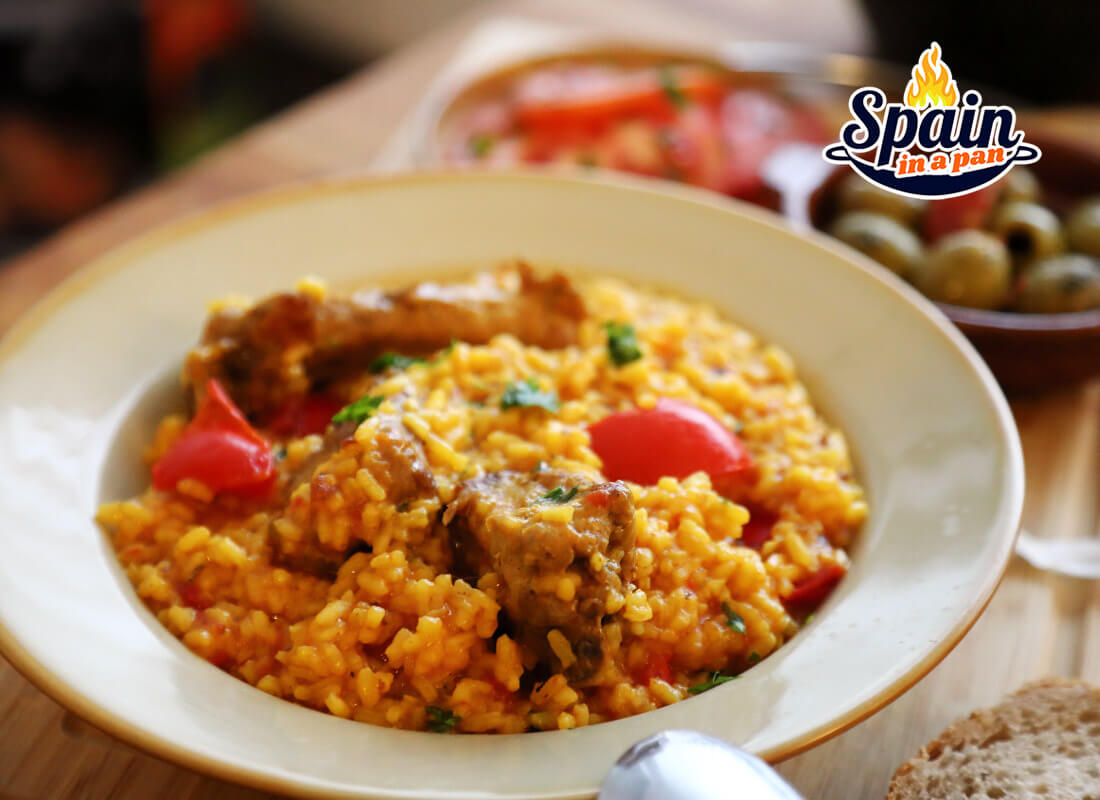
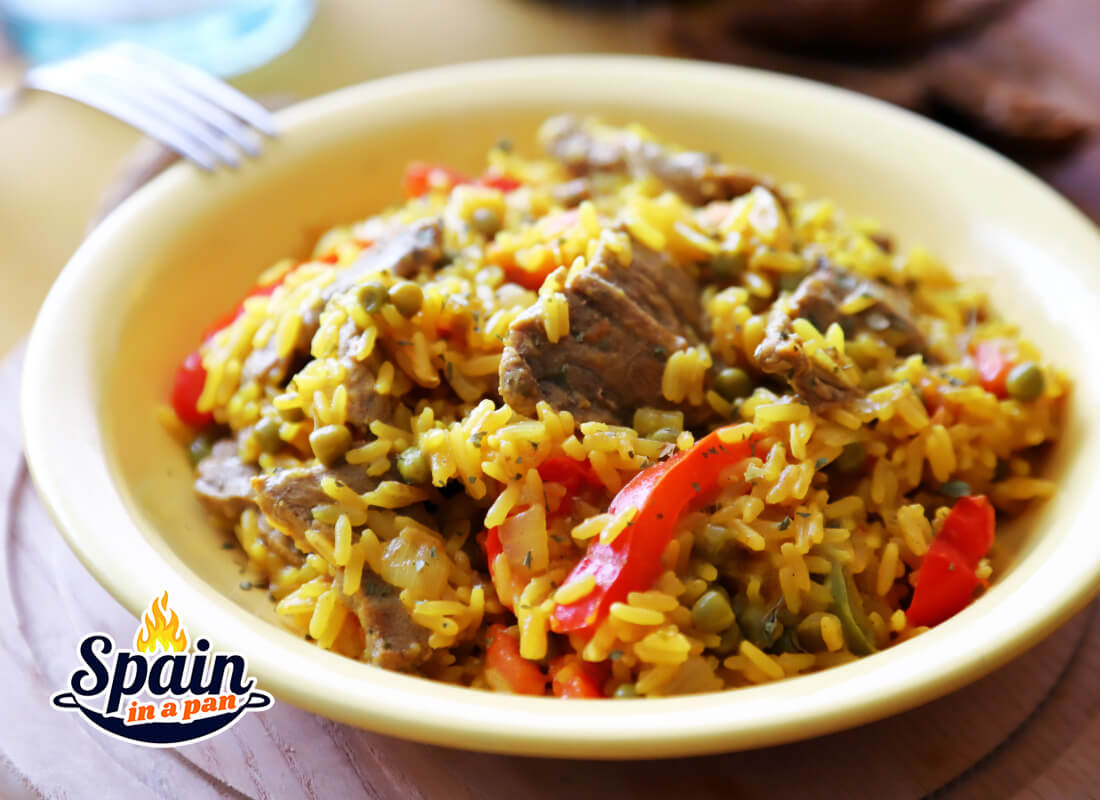
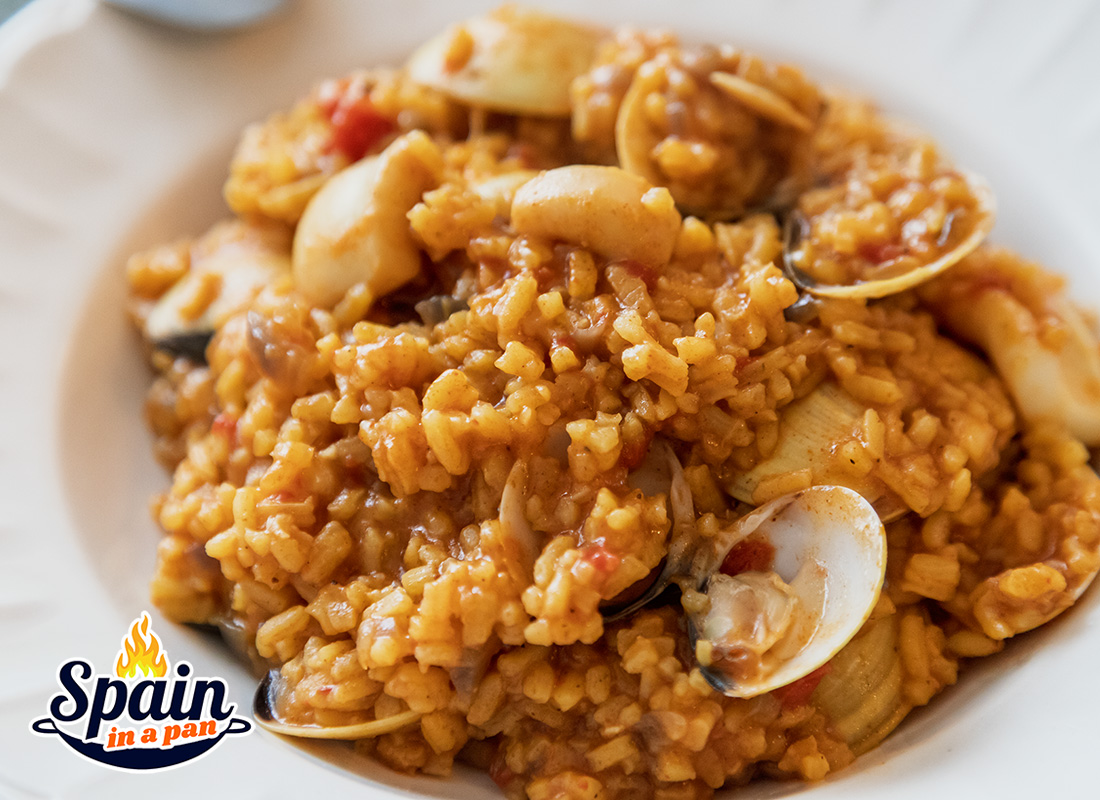
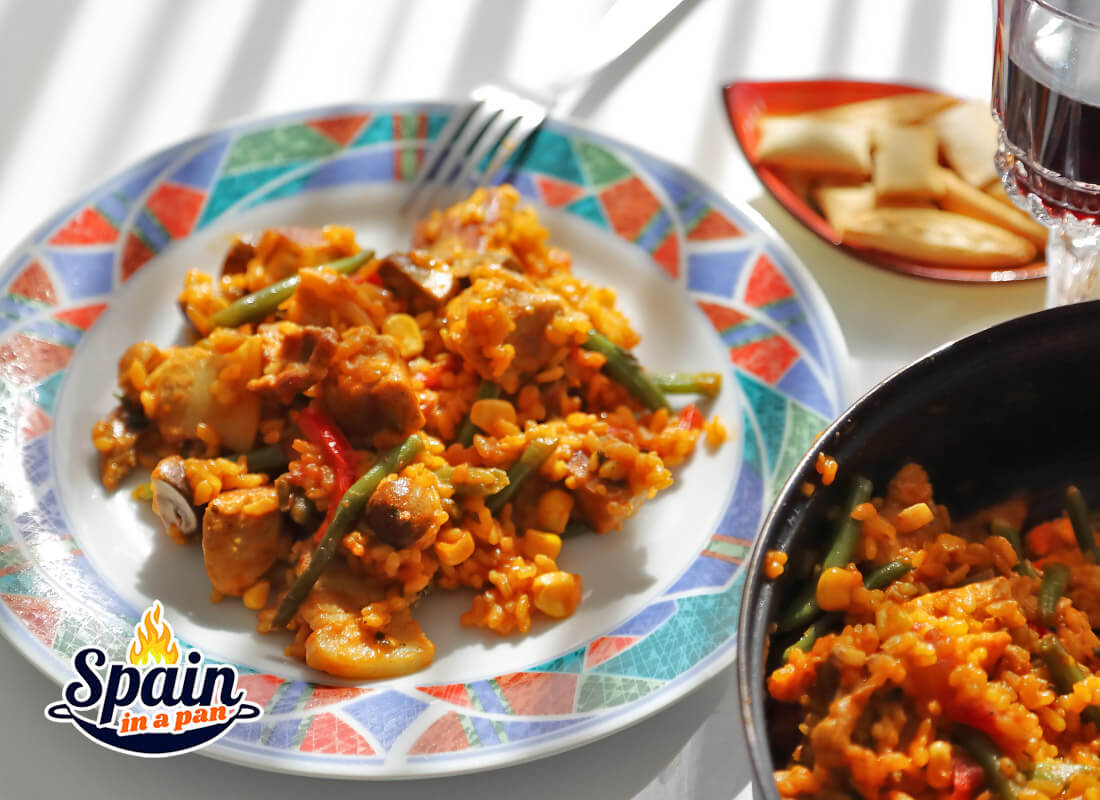 Arroz con Tocino (pork belly rice)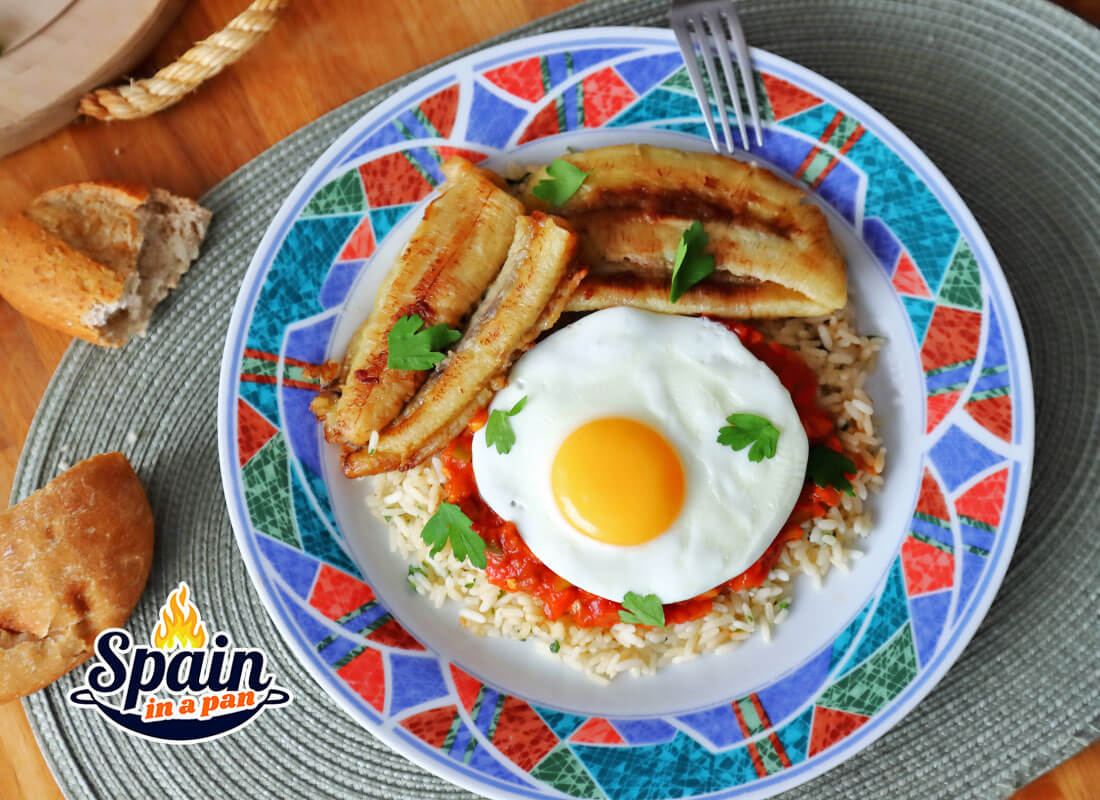
Recent Articles


-
Best Fabada Recipe - Authentic Asturian Bean Stew
 Discover the best fabada recipe: a rich, authentic Asturian bean stew with chorizo, morcilla and pork. Easy step-by-step guide for perfect results every time.
 -
Easy Spanish Chicken and Eggs Soup
A comforting Spanish chicken and eggs soup recipe. Simple ingredients, great flavor and ready in under an hour. -
Spanish Scrambled Potatoes | Easy 20-Min Recipe
Spanish scrambled potatoes with a crispy, golden finish. This easy 20-minute recipe delivers natural, authentic flavor with simple ingredients.



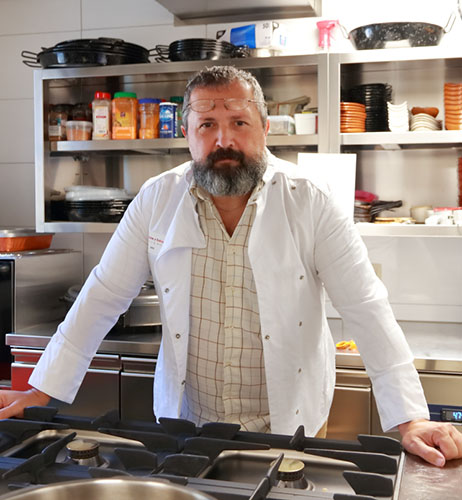
Hello there! I'm Edu, and I'm here to share my Spanish recipes for you to enjoy! As a cook, I love sharing my heritage through food, featuring the dishes our parents and grandparents made in Spain. From time to time, I still discover new culinary creations. Join me on this flavorful adventure and explore the delicious world of Spanish cuisine!