- HOME
- Meat Recipes
Easy Spanish Meat Recipes – Authentic and Flavorful
(Recetas de Carne)
By Edu Valor / Author - Spanish Chef
Let's get into Spanish meat recipes that are rich, easy to pull off, and bursting with flavor, from sizzling grilled classics to tender, slow-cooked regional gems that taste like they took all day (because sometimes, they do).
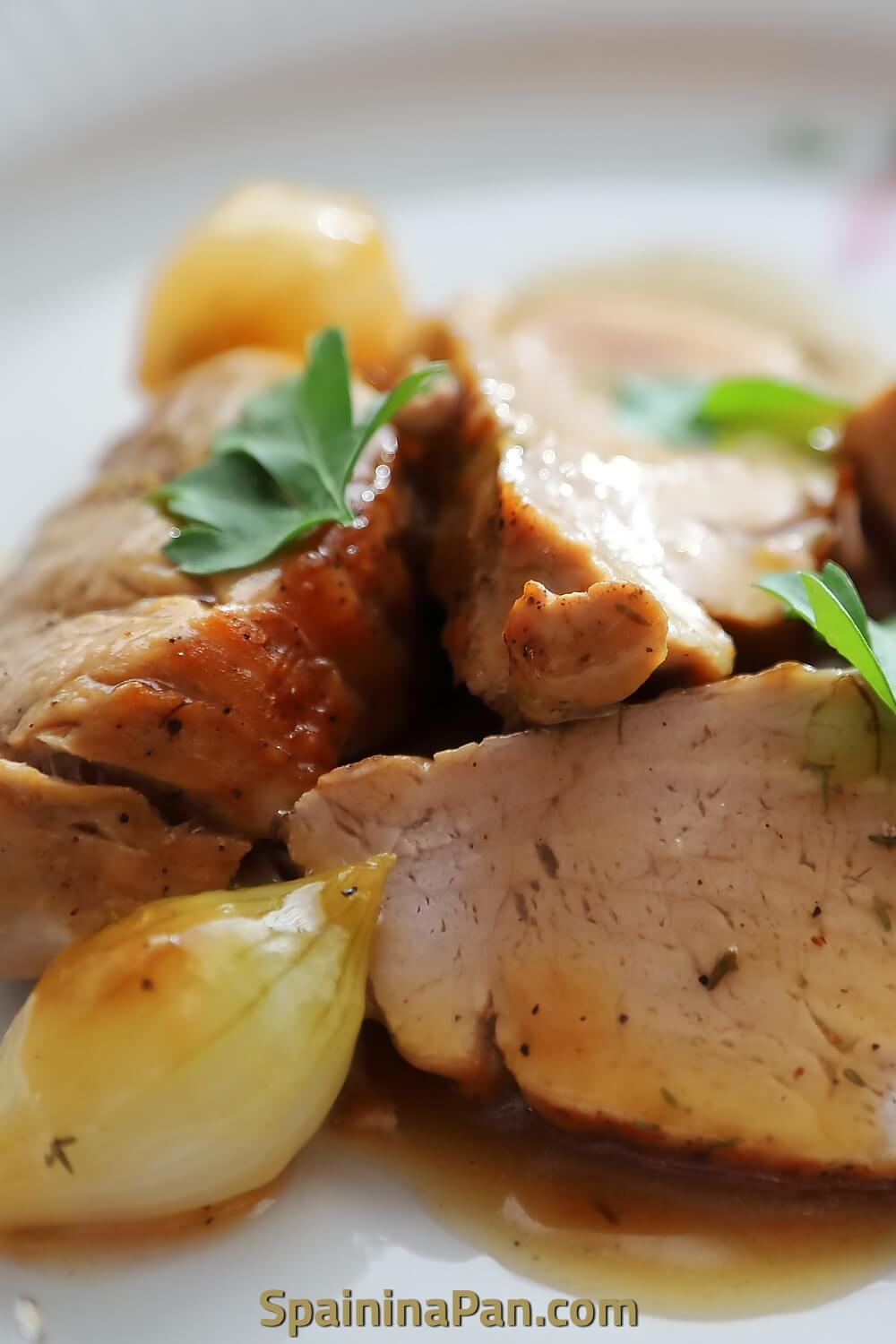
The Market Habit Every Spanish Cook Has That You Probably Don't
They talk to the butcher!
Not just to order, but to ask questions, take recommendations, and find out what's good that week. In Spain, the relationship with your local carnicero (butcher) is part of how you cook well.
They'll tell you which cut is better for what you're making, how long to cook it, and sometimes even how their grandmother used to prepare it.
This changes how you shop entirely. Instead of going in with a fixed recipe and looking for a specific cut, you go in with a dish in mind and let the butcher guide you. Some of the best meals come from that kind of flexibility.
Spanish markets (mercados municipales or mercados de abastos) are also still very much alive and used daily in many cities. You're not shopping for a week; you're shopping for today or tomorrow. That freshness is part of why the food tastes the way it does.
The habit to adopt: find a real butcher, ask questions, and be open to trying a cut you don't recognise. Nine times out of ten, that's where the best Spanish meat recipes comes from.
...and a basic marinade of garlic, herbs, and red wine can fill your kitchen with an aroma that feels like someone's grandmother is cooking in the next room. That's not an accident, it's centuries of knowing exactly what works.
The Spanish Meats You've Never Heard Of But Need to Try
Most people know jamón and chorizo. Fair enough, they're good! But Spain's meat culture goes much deeper than what's on the tourist menu.
Secreto ibérico: literally "the secret" is a cut from the shoulder of the Iberian pig that was kept quiet for years because butchers and chefs preferred to keep it for themselves. It's heavily marbled, cooks well on a hot grill, and tastes like something between pork belly and a good steak. If you see it, order it immediately.
Carrillada (pork or beef cheeks) is one of my favorite cuts that's completely transformed by slow cooking. It starts tough and ends up so tender it falls apart. Rich, deeply flavored, and one of the best things you can eat in Spain for the price.
Morcilla de Burgos is blood sausage, but don't let that put you off. Unlike other versions, this one is made with rice, onion, and spices, giving it an earthy, almost sweet flavor that works fantastically on its own or stirred into a stew.
Chistorra is a fast-cured sausage from Navarra and the Basque Country. Thin, garlicky, bright red from paprika, and usually cooked quickly in a pan or over fire. Often combined with fried eggs. It's one of those things you eat as a snack and then can't stop thinking about.
And if you ever get the chance, try cabrito (young goat). It's mild, slightly sweet, and roasted simply with garlic and herbs. The regions of Extremadura and Castilla do it particularly well.
My Personal Connection to Spanish Meat Dishes
Growing up, meat wasn't the centerpiece of every meal. In my family, it was more of a supporting character. Smaller portions, balanced by vegetables, legumes, and the seafood Spain is so well-known for.
We didn't have a favorite meat either. Some days it was beef, others pork, chicken, or rabbit.
And then there was goat, which honestly surprised me the first time I tried it. It has this subtle, slightly nutty flavor that's hard to place until you've had it a few times. Every meat had its moment depending on the season and what the recipe called for.
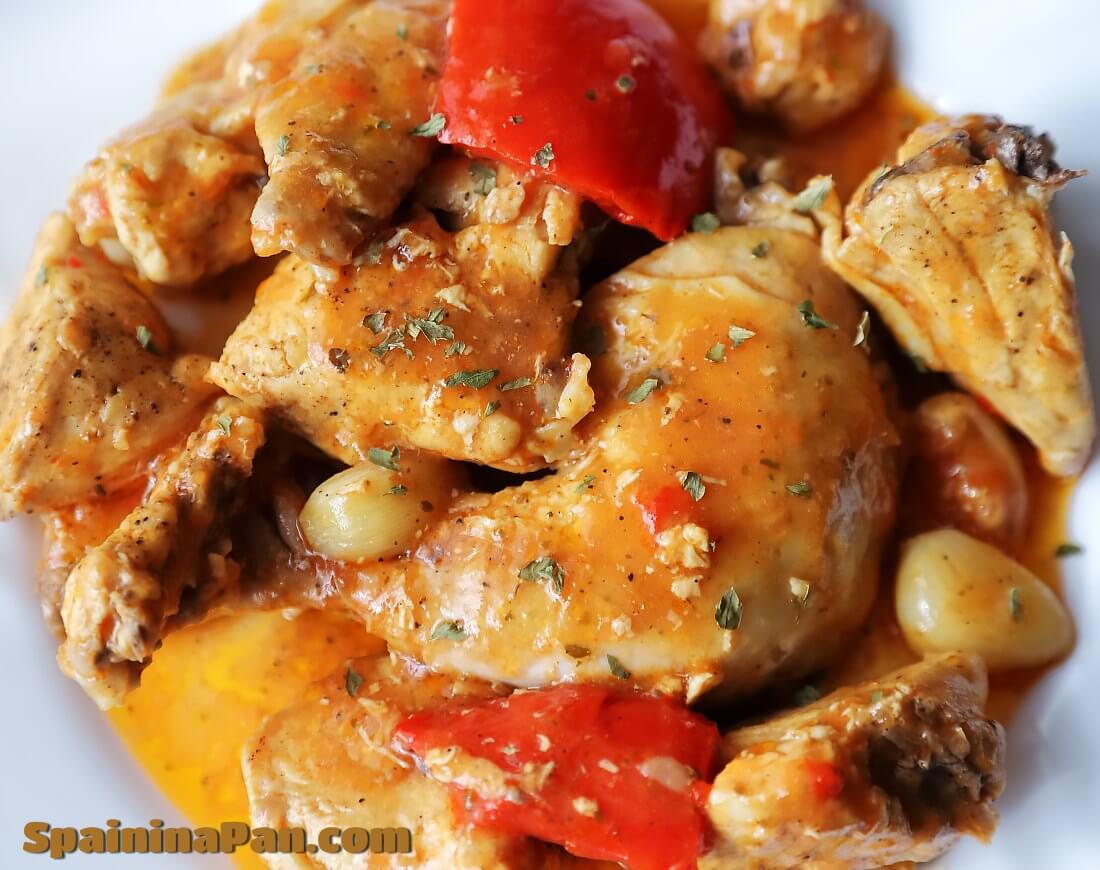
The Mistakes Most People Make With Spanish Meat Recipes
The biggest one? Rushing. Cooking certain Spanish meat recipes was never designed for a weeknight panic. If you're raising the heat to get dinner on the table faster, you're working against the entire philosophy.
- Low and slow isn't just a suggestion, it's the point. Unless a pressure cooker is used. I'm always in support of reducing cooking time the right way.
- The second mistake is underseasoning early. Spanish cooking layers flavor from the start. Garlic goes in first, paprika blooms in the oil, and wine reduces while the meat tenderizes. If you're seasoning at the end, you're patching, not cooking.
- And then there's the wine. People either skip it or use something they wouldn't drink. In Spain, the wine is part of the dish.
It doesn't need to be expensive, but it needs to be decent. A bad wine makes a bad sauce, simple as that.
Finally, don't skip the resting time. Whether it's a roast or a stew, letting the meat rest before serving makes a real difference. It's one of those small things that separates a good dish from a great one.
Environmental Concerns and Sustainability
With the way pork production has grown in Spain, it’s no surprise it’s started raising a few environmental red flags. There’s just so much of it now, more pigs than people, literally.
And while the country is putting money into animal welfare and trying to make farming more sustainable, it’s still a tricky balance. Tradition runs deep here, but so does the pressure to keep up with demand.
That said, they are taking steps in the right direction. In 2023, Spain introduced a new set of rules, Royal Decree 159/2023, meant to improve things like emissions, animal space, and how pigs are treated.
They're even pushing to reduce the overuse of antibiotics, which is a big deal.
Hopefully, they'll continue on that and get more support behind it. It’s one thing to raise pigs the old way, but doing it responsibly today is a whole other challenge. Still, it’s good to see they’re at least trying to do better.
Traditional Spanish Meat Recipes
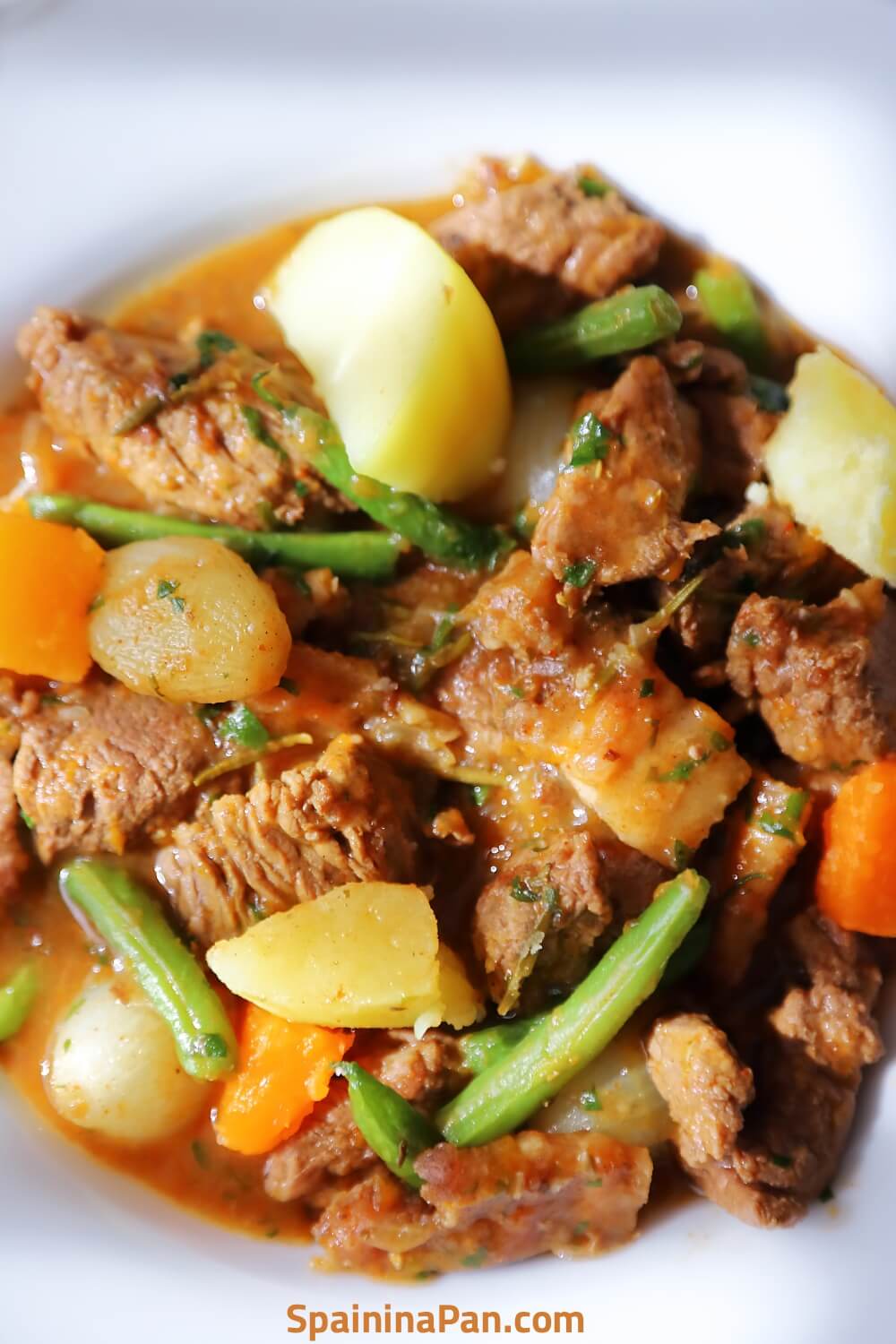
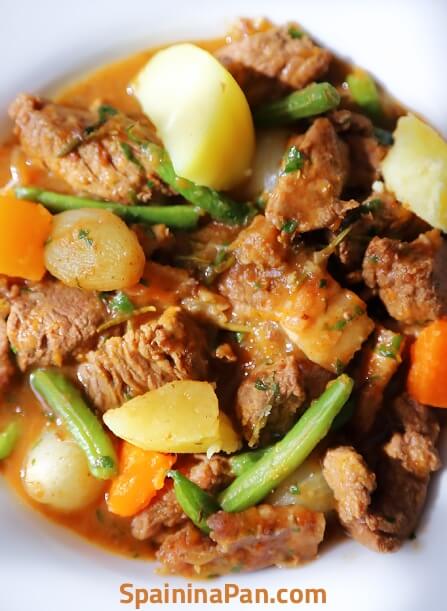
Here are some traditional Spanish meat dishes to try that are beloved across the country:
- Rabo de Toro – Slow-cooked oxtail stew until the meat falls off the bone. Deep, rich, and perfect with red wine.
- Cordero Asado – Roasted lamb, typically served during holidays and family gatherings.
- Callos a la Madrileña – A hearty tripe stew with chorizo and morcilla, often enjoyed in Madrid.
- Cochinillo Asado – Roasted suckling pig, famously crispy on the outside and tender inside.
- Albondigas en Salsa – Traditional meatballs in sauce, varies with region.
...and with all this talk about mammal meats, I almost forgot that chicken (and other poultry like partridge) also holds a prominent place in Spain.
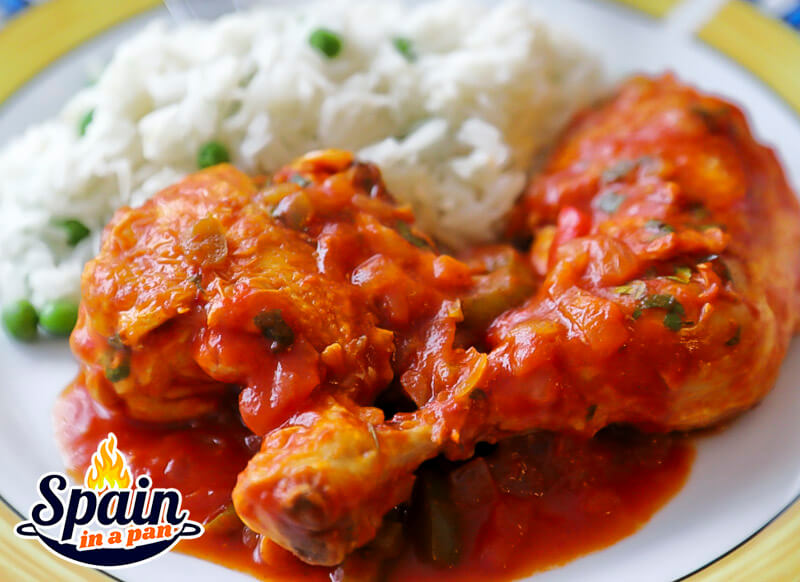
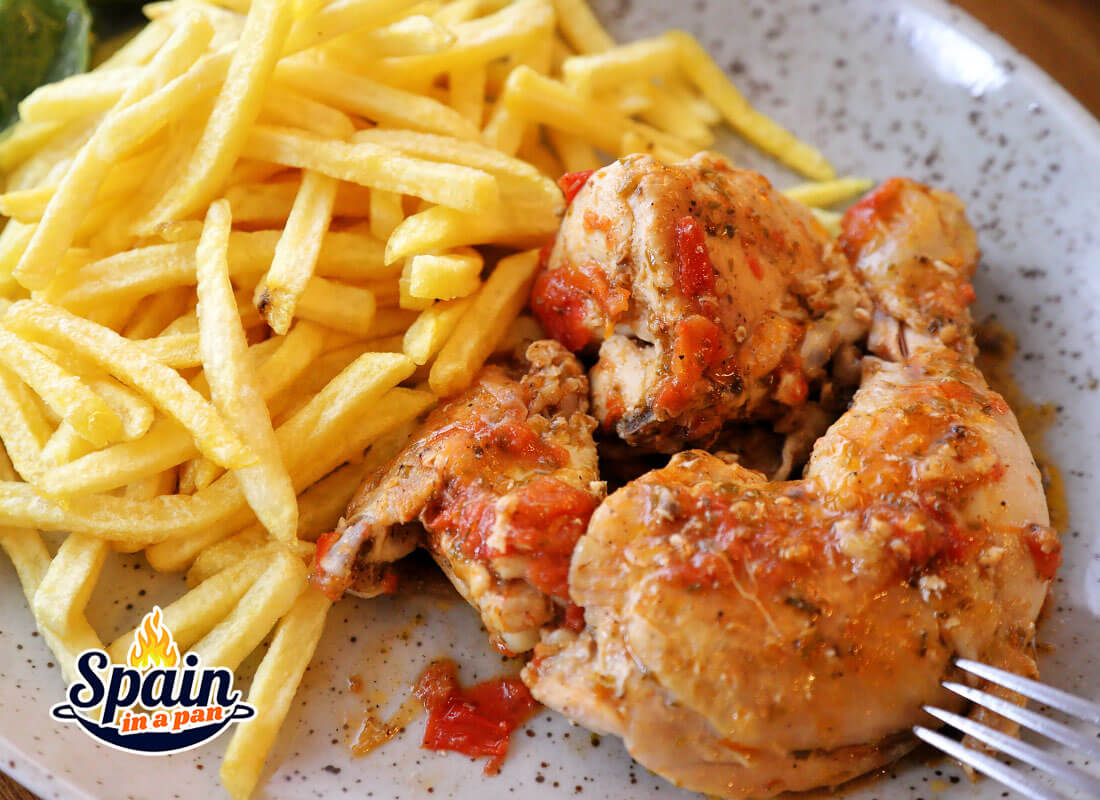
Pollo al ajillo (garlic chicken) and pollo en pepitoria (chicken in almond-egg sauce) are well-known dishes, and two of my favorites.
How to Get That "Cooked All Day" Flavor in Half the Time or Less?
The real answer is that nothing fully replaces time, but there are ways to get much closer than you'd expect.
Start with a proper sear. Getting real color on the meat builds a base of flavor that slow cooking then develops. Don't crowd the pan, don't rush it, and don't skip it.
Use a pressure cooker or Instant Pot. This is probably the biggest shortcut available. A dish like rabo de toro that traditionally cooks for 3-4 hours can be done in under an hour under pressure, with results that are genuinely close to the original. It's not cheating, it's practical.
Build your sofrito properly. The base of onion, garlic, tomato, and pepper cooked low and slow in olive oil is where a huge amount of flavor comes from in Spanish cooking.
Even if the rest of the cooking is quick, don't rush this step. Give it 20-25 minutes on low heat until it's sweet and almost yammy.
Add a splash of brandy or jerez (sherry). A quick deglaze with Spanish brandy (coñac) or dry sherry (manzanilla works beautifully) adds a depth that mimics long cooking remarkably well. Let it bubble and reduce before adding anything else.
Secret tip: Rest the dish overnight if you can. Stews and braises almost always taste better the next day. If you cook the night before and reheat slowly, you get the depth of a long cook without any extra effort.
*****
Edu's Rustic and Tasty Meat Recipes
Recent Articles


-
Easy Spanish Chicken and Eggs Soup
 A comforting Spanish chicken and eggs soup recipe. Simple ingredients, great flavor and ready in under an hour.
 -
Spanish Scrambled Potatoes | Easy 20-Min Recipe
Spanish scrambled potatoes with a crispy, golden finish. This easy 20-minute recipe delivers natural, authentic flavor with simple ingredients. -
The Best Recipe for Torrijas from Spain!
Try the best recipe for torrijas from Spain. Learn how to make this classic treat at home in simple steps.




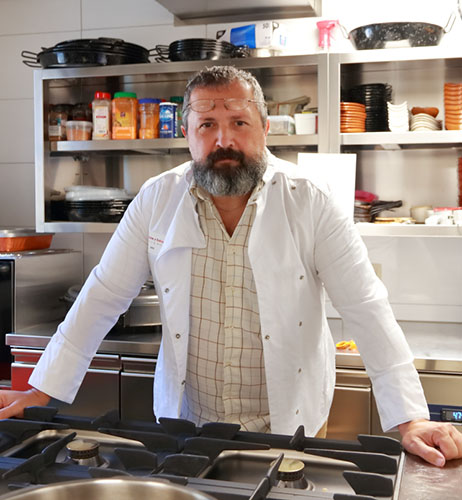
Hello there! I'm Edu, and I'm here to share my Spanish recipes for you to enjoy! As a cook, I love sharing my heritage through food, featuring the dishes our parents and grandparents made in Spain. From time to time, I still discover new culinary creations. Join me on this flavorful adventure and explore the delicious world of Spanish cuisine!