- HOME
- Spanish Desserts
Classic Spanish Dessert Recipes
By Edu Valor / Author - Spanish Chef
Making traditional Spanish dessert recipes can bring back childhood memories like nothing else, and I had my fair share of them thanks to my sweet tooth.
Sweets on their own feel like a mini-celebration. On holidays, however, they become extra special and add depth to the moment.
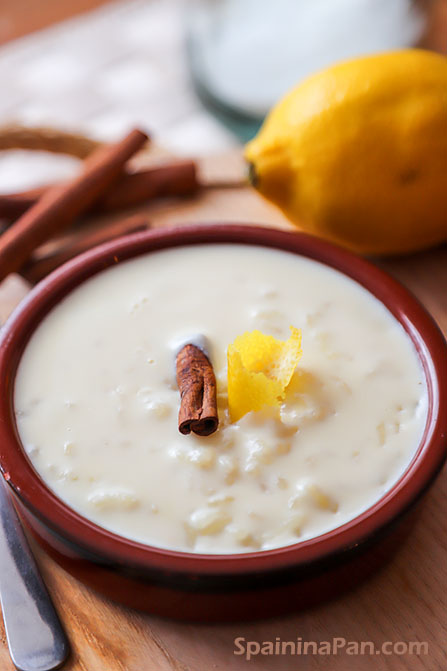
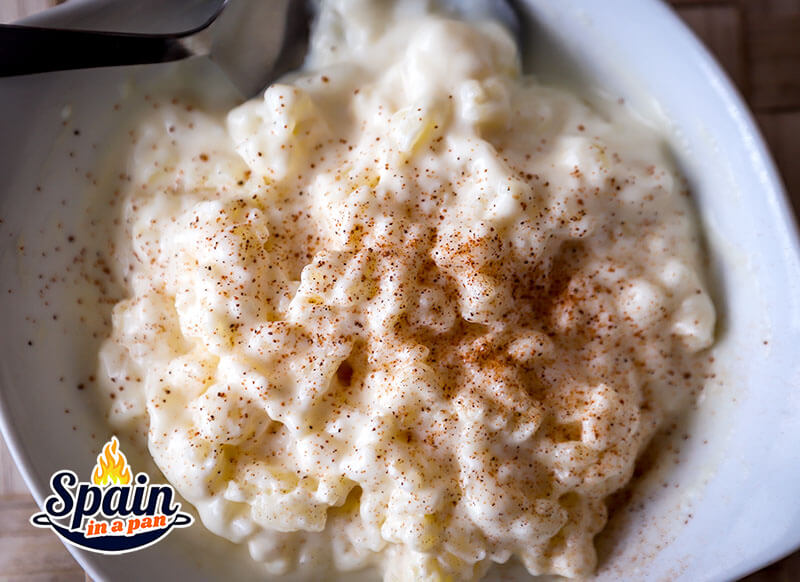
Rice pudding infused with cinnamon and lemon skin was a common dessert, so easy to make and absolutely delicious. But the memories don't stop there.

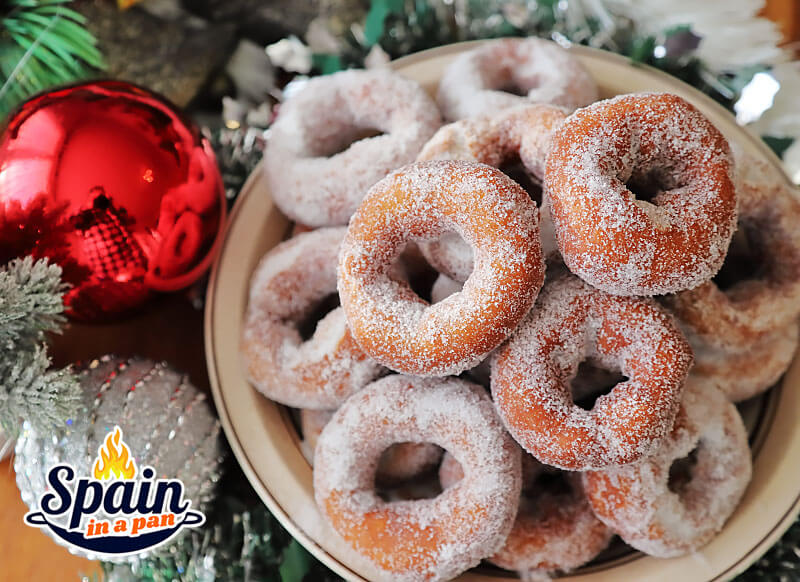
Once or twice a year, we’d make rosquillas and/or pestiños, and, of course, we can’t forget the multi-flavored mantecados and polvorones that every family buys during the Christmas season.
These are just a small taste of the many treats we enjoyed. Spanish pastries gave us a true sense of home, they were often made together and shared in the warmth of family gatherings.
Generally, desserts and making them were something we reserved for special occasions, but from the beginning of December, we'd start thinking about getting boxes of various turrones and mantecados.
The ones with paper wraps were our favorites for nostalgic reasons, unwrapping each cookie felt like opening a tiny gift.
Our Family's Dessert Habits
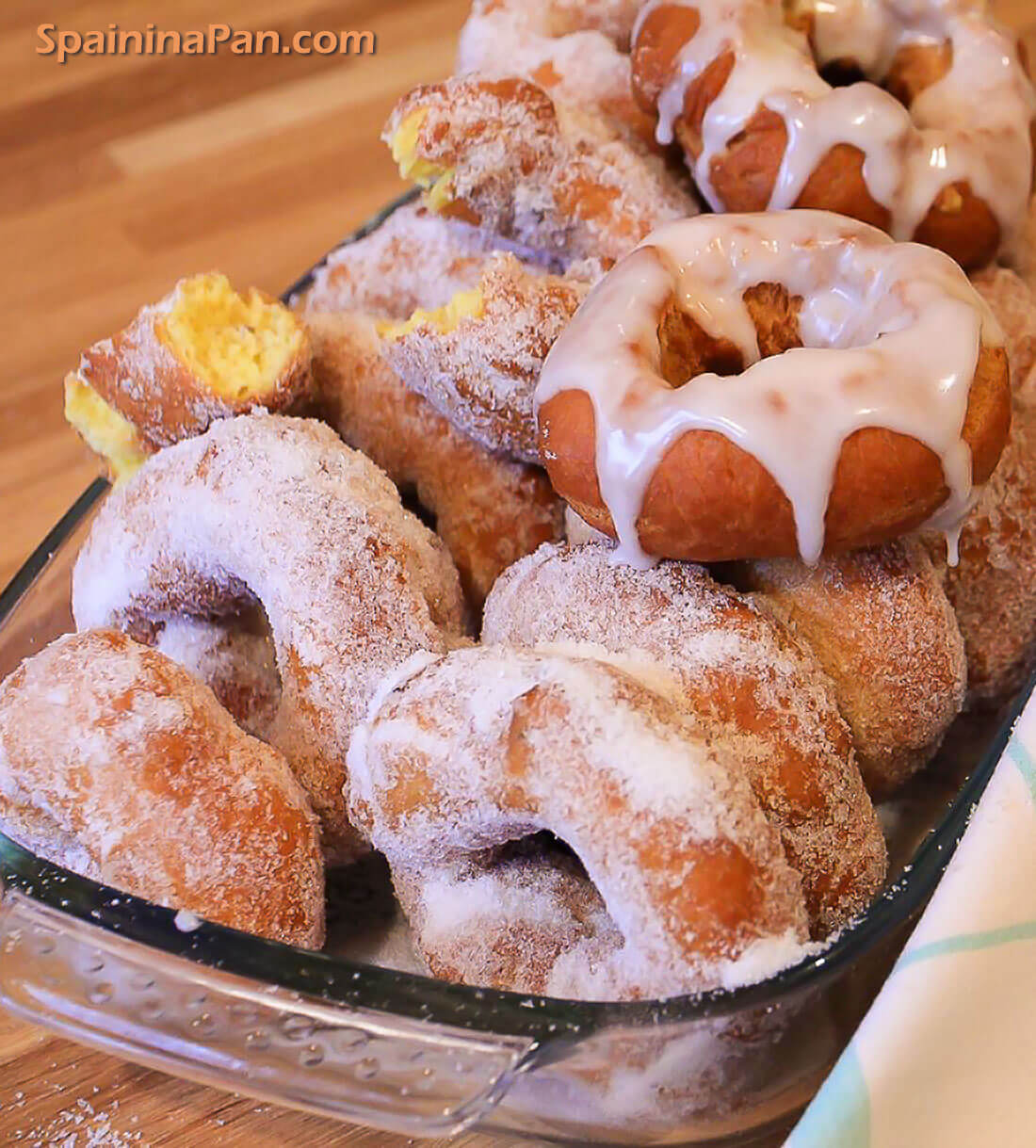
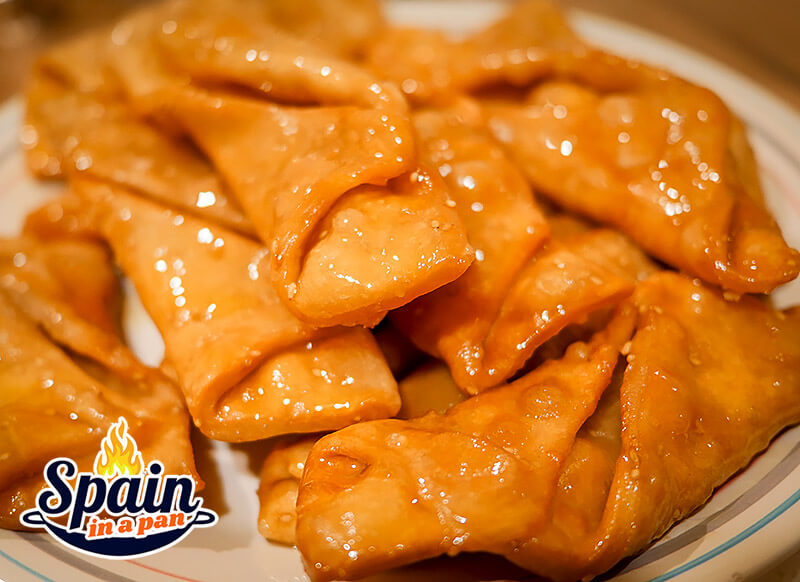
My mother had her own favorites, roscos (rosquillas) and pestiños, especially the latter. I can still see her with flour-covered hands, pounding and kneading the dough. The kitchen filled with that unmistakable aroma of white wine mixed with orange juice. We knew what she was making without even looking.
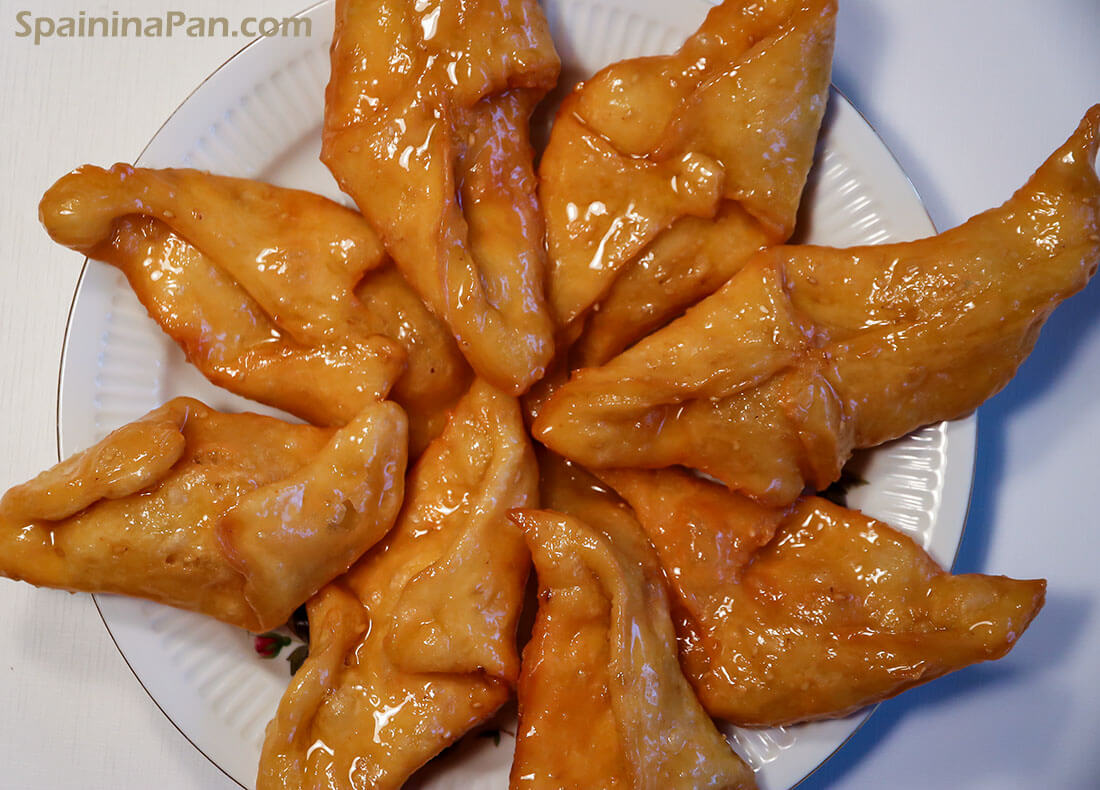
Pestiños have been made in Spain since Moorish times, particularly in Andalusia, where the tradition of frying dough and coating it with honey has been passed down for centuries. The crusty texture and honey coating make an excellent combination, they can be addictive.
We had so many sweets during the season that by the time New Year's came, I was already stuffed.
Whenever guests came to visit, my mother would lay trays with pastries (if there were any left) on the living room table while we enjoyed each other's stories.
This tradition of sharing sweets with visitors is deeply rooted in Spanish hospitality, refusing a sweet offered by your host would be considered almost rude.
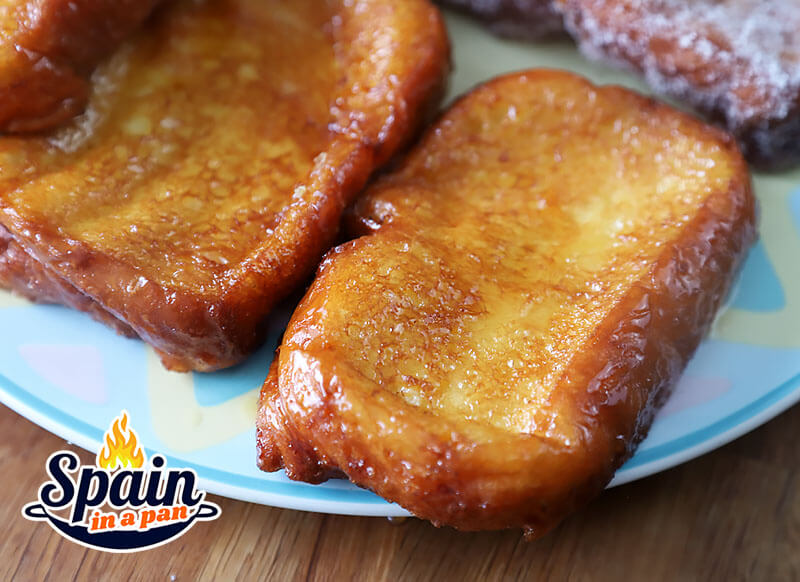
Easter was the time for torrijas, pieces of dense bread either soaked in white wine or milk. There are variations of this simple pastry, but we'd have them covered with honey.
Torrijas are Spain's answer to French toast, though they're richer and often more decadent, traditionally made during Lent and Holy Week.
Come to think about it, many Spaniards have mantecados year-round. Not us, we kept them solely for the Christmas season, out of habit and nostalgia.
On random days, our desserts varied, but rice pudding was more often on the table. Others were barquitos, tortas de aceite, cortadillos, perunillas, mielitos, and probably a few other things I'm forgetting about.
Each one carried its own story, its own moment in time.
A Sweet Journey Through Spain
As you may surmise, each region has its own classic Spanish dessert recipes. Many of them have become favorites across the nation.
That’s certainly the case with mantecados (with Andalusian origins), which are for us more of a seasonal pastry. Almost every Spaniard enjoys a box (or two) of them during the Christmas season (Navidad).
Most of the time, they’re bought ready-made in small or large boxes and come in a variety of flavors, in what we call a surtido.
But if you travel around Spain, you quickly realize that every region has its own sweet personality too. From the north to the south, desserts tell the story of local traditions, ingredients, and even the climate.
Here is a reduced list of regional sweets:
1. ANDALUCIA
Andalusia is sometimes known for desserts that carry the aroma of honey, sesame, and orange blossom, flavors that clearly echo its Moorish past.
Pestiños, small fried pastries glazed with honey, are a festive favorite, especially around Christmas and Easter. Tocino de cielo, a rich egg yolk custard from Jerez, is pure indulgence and dates back to convent recipes.
Almería: Papaviejos (fried dough with honey)
Cádiz: Tocinos de cielo, alfajores
Córdoba: Pastel cordobés (puff pastry with candied fruit)
Granada: Pionono de Santa Fe (cream-filled sponge)
Huelva: Mantecados onubenses
Jaén: Ochíos (honey and almond pastries)
Málaga: Tortas locas, bienmesabe (almond cream)
Sevilla: Yemas de San Leandro, pestiños
2. ARAGÓN
Huesca: Castañas de mazapán (marzipan chestnuts)
Teruel: Suspiros de amante (meringues)
Zaragoza: Frutas de Aragón (candied fruit with chocolate), adoquines del Pilar
3. ASTURIAS
Casadielles (walnut-filled pastries), frixuelos (crepes), arroz con leche asturiano
4. CANARIAS
Gran Canaria/Tenerife: Bienmesabe canario, quesadillas, príncipe Alberto, frangollo
La Palma: Rapaduras, almendrados
Lanzarote/Fuerteventura: Quesillo
Far from the mainland, the Canary Islands bring a touch of the tropics to Spanish desserts.
Bienmesabe, meaning “it tastes good to me,” combines ground almonds, sugar, eggs, and honey, often served with ice cream or sponge cake. It’s sweet, rich, and perfectly suited to the islands’ sunny vibe.
5. CANTABRIA
Sobaos pasiegos, quesadas pasiegas, pantortillas
6. CASTILLA-LA MANCHA
Albacete: Miguelitos (puff pastry with cream)
Ciudad Real: Flores manchegas (fried dough)
Cuenca: Alajú (honey and almond paste)
Guadalajara: Bizcochos borrachos
Toledo: Mazapán de Toledo (marzipan)
7. CASTILLA Y LEÓN
Ávila: Yemas de Santa Teresa
Burgos: Postre del abuelo (sponge with cream)
León: Nicanores (meringue pastries), mantecadas
Palencia: Lacias (fried pastry)
Salamanca: Chochos (sugared almonds), bollo maimón
Segovia: Ponche segoviano (marzipan cake)
Soria: Mantequillas (butter cookies)
Valladolid: Lágrimas de Boabdil
Zamora: Rebojo zamorano
In the heart of Spain, sweets tend to be humble yet deeply comforting. Leche frita, literally “fried milk,” is a crispy, creamy delight often served with cinnamon sugar.
The region is also famous for yemas de Santa Teresa, little bites of sweet egg yolk that melt in your mouth. These desserts reflect the old monastic traditions and the love for simple, hearty ingredients.
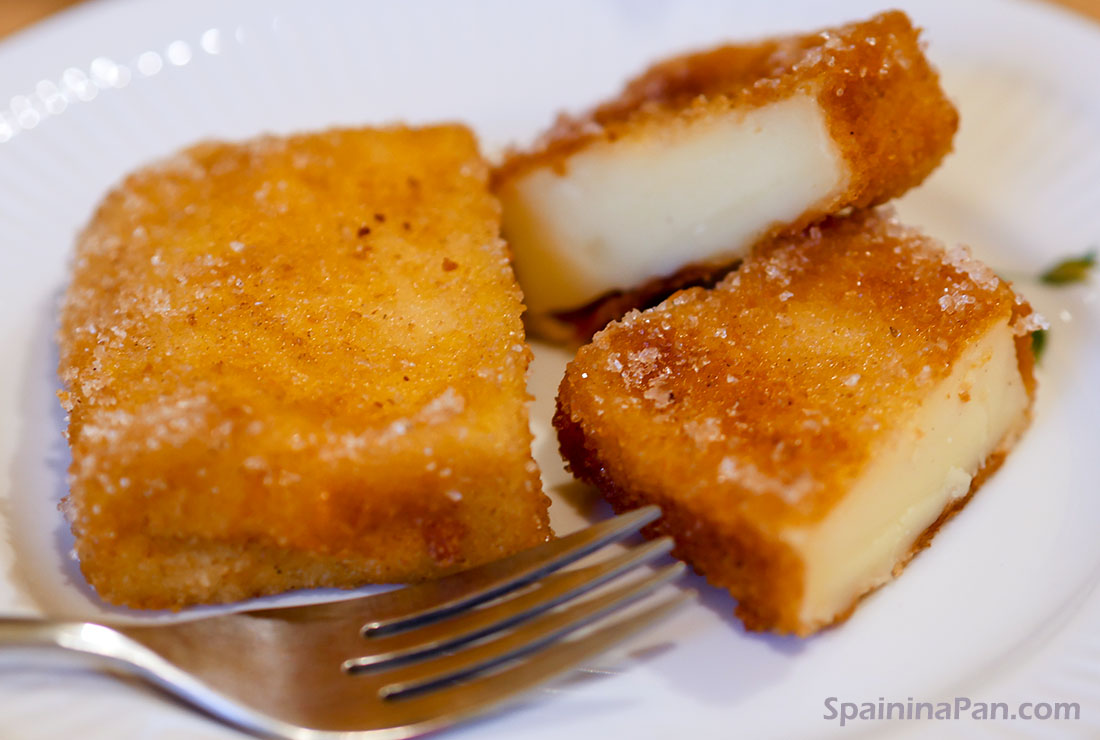 Creamy leche frita or fried pudding
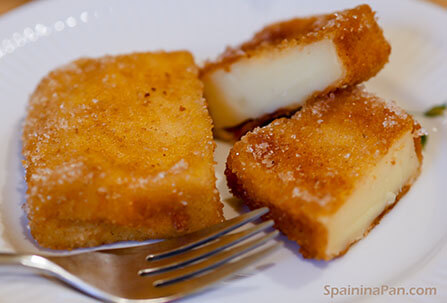 Creamy leche frita or fried pudding.
8. CATALUÑA
Barcelona: Crema catalana, panellets, mel i mató
Girona: Xuixos (cream-filled pastries)
Lleida: Pera de Lleida (pear pastry)
Tarragona: Menjar blanc, coca de recapte dulce
Catalonia’s most famous sweet is crema catalana, often called the cousin of crème brûlée. It’s a silky custard topped with a caramelized sugar crust, typically flavored with lemon and cinnamon.
It’s served during Saint Joseph’s Day but loved all year round. Catalonia also boasts panellets, small almond and pine nut sweets made around All Saints’ Day.
9. COMUNIDAD VALENCIANA
Alicante: Turrón de Jijona y Alicante
Castellón: Cascos de naranja confitados
Valencia: Fartons (long pastries for dipping), arnadí (pumpkin dessert)
10. EXTREMADURA
Badajoz: Técula mécula (almond tart)
Cáceres: Perrunillas, aceitadas
11. GALICIA
A Coruña: Tarta de Santiago (almond cake)
Lugo: Filloas (crepes)
Ourense: Bica (sponge cake)
Pontevedra: Tarta de almendra
In Galicia, where the famous Camino de Santiago pilgrimage ends, you’ll find Tarta de Santiago, a delicate almond cake dusted with powdered sugar and marked with the cross of Saint James.
It’s a dessert that combines faith, hospitality, and a bit of northern rustic charm.
12. ISLAS BALEARES
Ensaimadas, gató de almendra (almond cake), coca de patata, crespells
Mallorca’s ensaimada is one of Spain’s most iconic pastries, a spiral-shaped, flaky delight made with lard and dusted with powdered sugar.
It’s eaten plain, filled with cream or cabello de ángel (a sweet pumpkin filling), and often carried home as a souvenir from the islands.
13. LA RIOJA
Ahorcaditos (almond cookies), fardelejos (pastries with filling)
14. MADRID
Rosquillas tontas y listas, bartolillos (custard pastries), torrijas
In Madrid, no early morning (or late night) is complete without churros con chocolate. Crispy on the outside, soft inside, and dipped in thick hot chocolate, it’s comfort in its purest form.
You’ll find them in cafés and churrerías all over the city, a favorite for both locals and visitors.
15. MURCIA
Paparajotes (fried lemon leaves in batter), pan de Calatrava
16. NAVARRA
Cuajada con miel (curd with honey), pantxineta (puff pastry with cream)
17. PAÍS VASCO
Álava: Canutillos de Vitoria (cream horns)
Gipuzkoa: Pastel vasco (custard-filled cake), intxaursalsa (walnut cream)
Bizkaia: Carolina (cream puff)
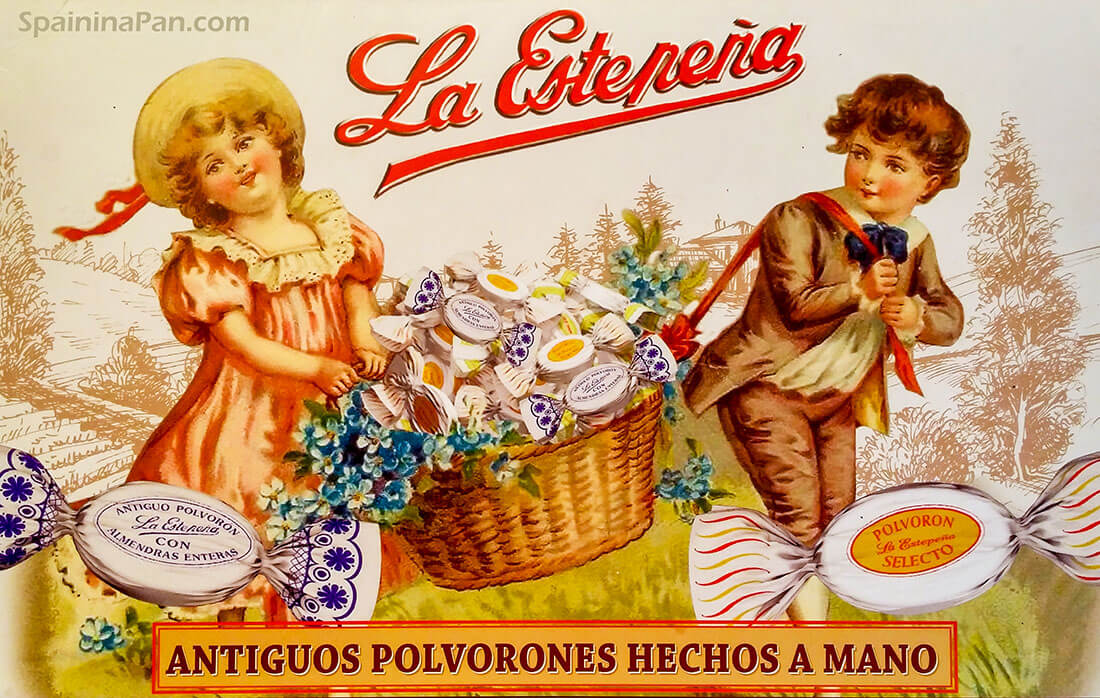 Polvorones, a close cousin of the mantecado.
 Polvorones, a close cousin of the mantecado.
More Than Sweets of Sugar and Flour
As you've journeyed through Spain's provinces with me, I hope you've sensed something beyond recipes and ingredient lists. These desserts aren't just food, they're vessels of memory, tradition, and identity.
Spanish sweets carry the weight of generations. They mark our calendar, torrijas for Easter, turrón for Christmas, panellets for All Saints' Day, and the Castañada, and more!
They define our hospitality, appearing on trays when guests arrive. They connect us to medieval convents where nuns perfected yemas, to Moorish kitchens where honey and almonds first met Spanish dough, to family tables where recipes passed silently from grandmother to grandchild.
What surprises many visitors is how seasonal and sacred these traditions remain. While the world moves toward constant availability, most Spanish families still wait for December to open their first box of mantecados.
We don't eat torrijas in July, and ensaimadas taste different when carried home from Mallorca in your own hands. This restraint isn't deprivation, it's reverence. It's understanding that some flavors belong to specific moments, and that anticipation is part of the sweetness.
Perhaps what's most surprising to outsiders is how deeply these desserts are woven into Spain's emotional fabric. They're not just recipes we've preserved, they're edible prayers, celebrations, consolations, and love letters.
When a Spaniard shares a homemade pestiño with you, they're not just offering a pastry. They're inviting you into centuries of history, into the warmth of their kitchen, into the heart of what it means to be Spanish.
So the next time you taste a piece of marzipan from Toledo or dip a churro into thick chocolate in Madrid, remember: you're not just eating a dessert.
You're tasting someone's childhood, someone's December morning, someone's way of saying "you belong here, at this table, with us."
And that, more than any ingredient, is what makes Spanish dessert recipes truly unforgettable.
*****
Edu's Delicious Desserts
Recent Articles


-
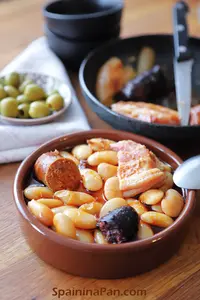
Best Fabada Recipe - Authentic Asturian Bean Stew
 Discover the best fabada recipe: a rich, authentic Asturian bean stew with chorizo, morcilla and pork. Easy step-by-step guide for perfect results every time.
 -
Easy Spanish Chicken and Eggs Soup
A comforting Spanish chicken and eggs soup recipe. Simple ingredients, great flavor and ready in under an hour. -
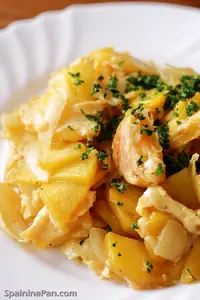
Spanish Scrambled Potatoes | Easy 20-Min Recipe
Spanish scrambled potatoes with a crispy, golden finish. This easy 20-minute recipe delivers natural, authentic flavor with simple ingredients.


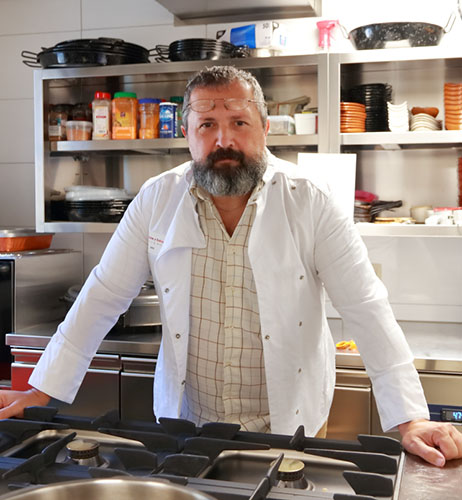
Hello there! I'm Edu, and I'm here to share my Spanish recipes for you to enjoy! As a cook, I love sharing my heritage through food, featuring the dishes our parents and grandparents made in Spain. From time to time, I still discover new culinary creations. Join me on this flavorful adventure and explore the delicious world of Spanish cuisine!