- HOME
- Potato Recipes
- Rioja Potatoes
Spanish Potato and Chorizo Recipe – A Flavorful Classic from La Rioja
(Patatas a la Riojana)
By Edu Valor / Author - Spanish Chef
Taste this authentic Spanish potato and chorizo recipe, rich, smoky, and easy to make.
Known as Patatas a la Riojana, this hearty, rustic dish is a classic from the La Rioja region and a crowd-pleaser at any mealtime.
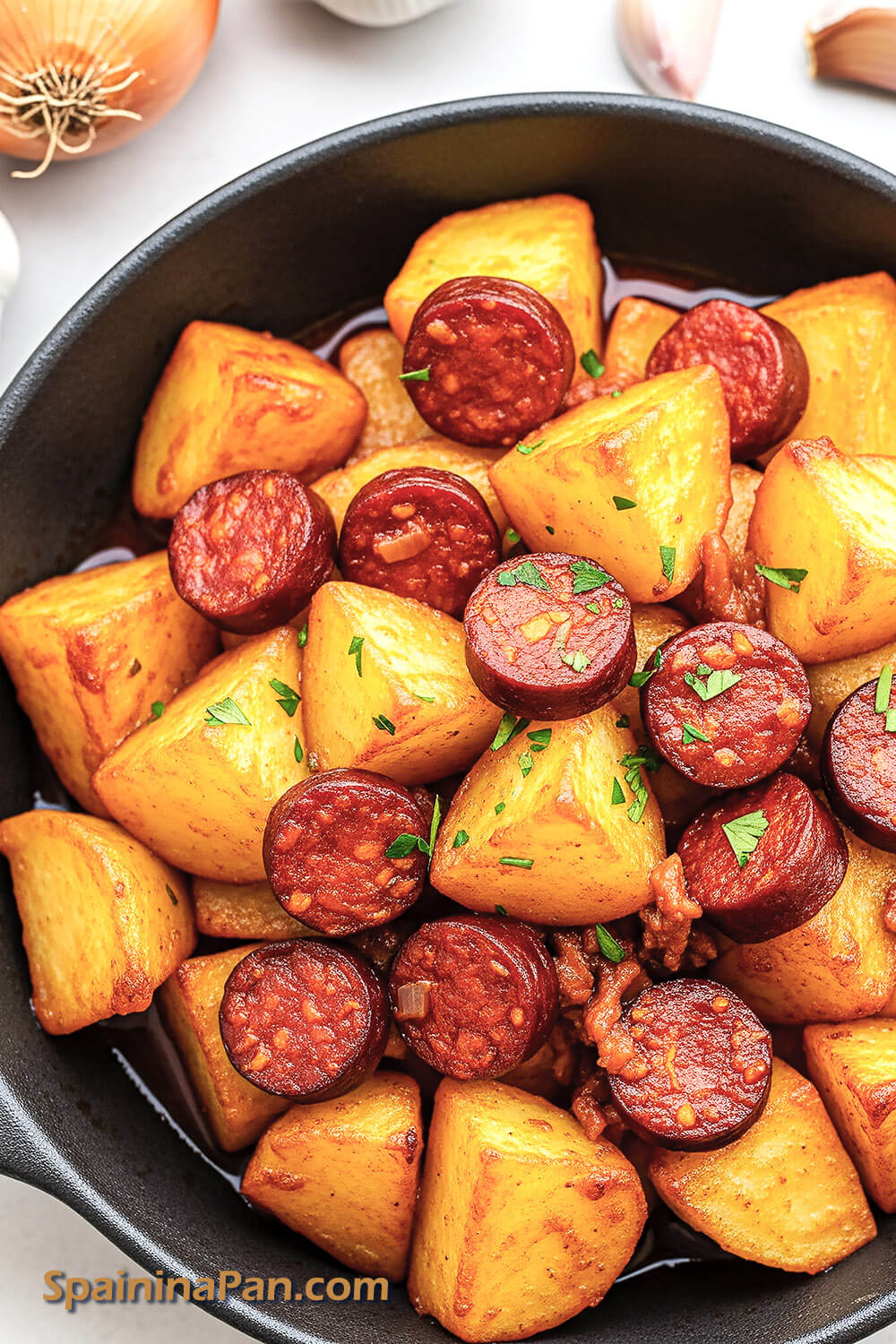
A Dish Born from the Fields of Spain
The origins of Patatas a la Riojana trace back to 19th-century Spain. It was a meal for day laborers and field workers, hardworking people who made do with humble, filling ingredients.
They combined chorizo de orza (a preserved chorizo) with potatoes, resulting in the iconic dish we know today.
Interestingly, the term "a la Riojana" doesn’t always mean it’s from La Rioja, many dishes share a similar look but not the same origin.
Let's Make this Spicy Potato and Chorizo Recipe
Ingredients for 4 Servings
Preparation: 20-25 minutes
Cooking: approx. 35 minutes, potatoes 15-20 minutes
*Measurements in metric and USA Imperial system. For British/Canadian measurements please use the metric conversion calculator.
- 1 kg / 2.2 lb young potatoes, rinsed and peeled
- 1.5 L / 6 Cups water
- 250 g / 9 oz cured chorizo (spicy or mild), sliced into 1 cm thick rounds; remove skin if needed
- 150 g / 5 oz onion, finely diced
- 2 garlic cloves, minced
- 2 bay leaves
- 50 ml / 3.5 tbsp extra virgin olive oil
- 3 choricero peppers (or dried red peppers), soaked in water for a couple of hours to hydrate
- 1 tbsp sweet paprika (preferably smoked or pimentón de la Vera)
- Salt and black pepper, to taste
Fresh parsley, for garnish (optional)
Step-by-Step Instructions
- Prepare the peppers: Scrape out the meaty pulp from the hydrated choricero (or dried red) peppers and set it aside.
- Cook the chorizo: In a large pan, heat a little olive oil over medium heat. Add the chorizo slices and let them cook gently for about 10 minutes, allowing them to release some of their fat. Remove any excess oil, leaving just a bit in the pan.
- Sauté the aromatics: Add the diced onion and minced garlic to the pan with the chorizo. Sauté over medium heat until the onion becomes soft and translucent.
- Prepare the potatoes: While the onion is cooking, cut the peeled potatoes into chunks. For best results, crack the pieces by starting a cut and then breaking them apart, this helps release starch, which naturally thickens the broth.
- Add spices: Stir in the sweet paprika and the reserved dry pepper pulp. Mix well for a few seconds with a wooden spoon or spatula to coat everything evenly and release the aromasbe careful not to burn the paprika.
- Combine and simmer: Add the potato chunks to the pan, then pour in the water. Bring everything to a boil, then reduce to a gentle simmer. Taste the broth and season with salt and pepper as needed.
- Cook through: Add the bay leaves and simmer for 15–20 minutes, or until the potatoes are tender and the broth has thickened slightly.
TIPS:
- "Bring to a boil" means increasing the heat until the liquid starts to bubble, then reducing the heat to maintain a simmer.
- For extra flavor, add a few drops of lemon juice, a tangy punch to the dish.
- If you can’t find spicy chorizo, you can add a red chili pepper (whole or chopped) to taste for heat.
- Chorizo de sarta is a type of cured Spanish chorizo shaped like a horseshoe. A good substitute for the Rioja chorizo.
- Dried peppers (choricero or similar) are sometimes available pre-prepared in jars. If not available, you can substitute with 1 teaspoon smoked paprika.
- To make the broth thicker, mash a couple of potato pieces directly in the pot while cooking. This releases more starch and enhances the texture.
What You Will Need
- Paring knife
- Meat knife
- Large frying pan
- Measuring beaker
- Tablespoon, teaspoon
- Scale
- Cutting board
What Makes It "A la Riojana"?
Some believe the defining trait is the use of paprika and bell peppers, but that’s not consistent across all versions. For example, some regional dishes with cod or calamari share the visual appeal of patatas a la Riojana but lack the label.
Others, like a trout-based version, may skip the peppers altogether. In fact, early versions of this dish didn’t even include chorizo. Instead, they relied on red Rioja wine, green bell peppers, and dried red peppers to build flavor.
If you’re not a fan of chorizo and alcohol is no issue, this older variation might be your go-to. I haven’t tried it yet, but it’s on my list.
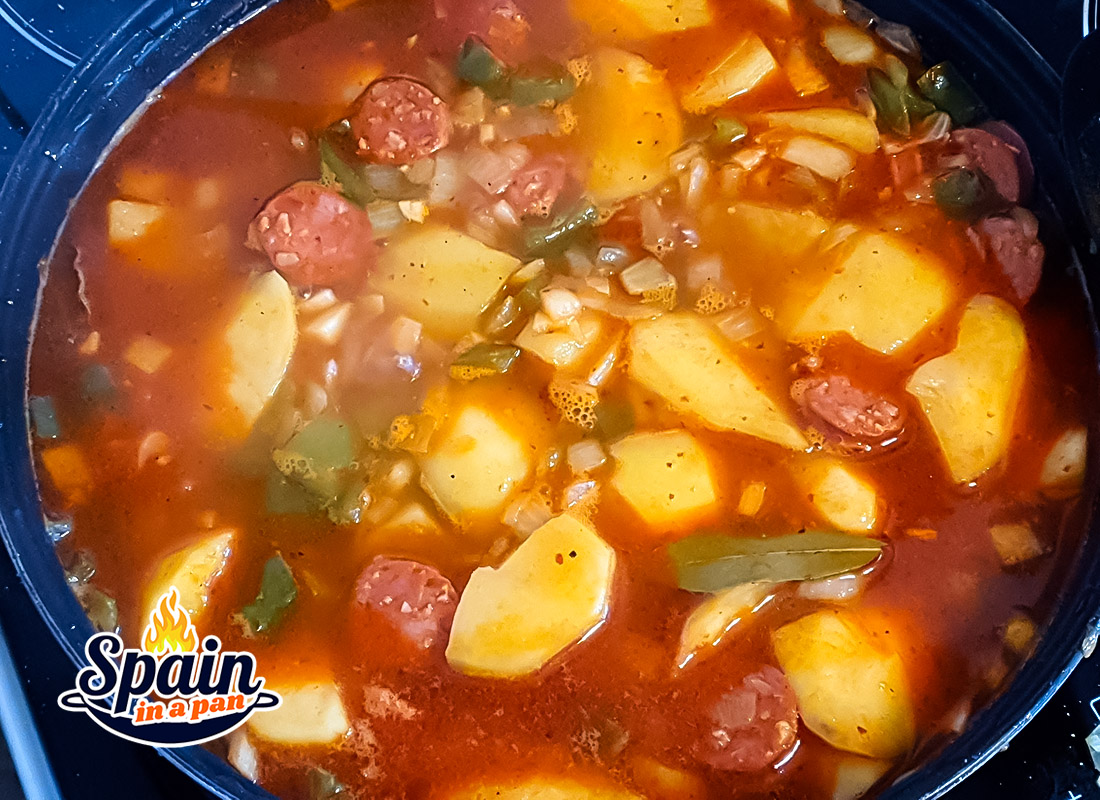 Patatas a la Riojana simmering.
Cascar – The Trick of the Chef
In La Rioja kitchens, there's a method called “cascar”, the trick to naturally thicken the broth.
Instead of chopping potatoes all the way through, you cut halfway and then snap the chunk off. This releases more potato starch, which thickens the stew naturally.
You could add boxed potato starch or flour, but then you’d be missing out on the traditional touch.
The Star Ingredient: Horseshoe Chorizo
Ideally, use chorizo from La Rioja, which has an intense red hue, a mild but spicy flavor, and a deep, smoky aroma, you can smell the paprika before it even cooks.
Last time I made this dish, I used chorizo de sarta. A cured sausage shaped like a horseshoe. You’ve probably seen it hanging in markets. It comes in both sweet and spicy versions.
This semi-cured sausage is incredibly versatile and shows up in empanadas, stews, and egg dishes across Spain. Thanks to the colder, drier climate of La Rioja, curing chorizo has become an art form in itself.
*****
You Might also Like Edu's Other Classic Potato Recipes
Recent Articles


-
Best Fabada Recipe - Authentic Asturian Bean Stew
 Discover the best fabada recipe: a rich, authentic Asturian bean stew with chorizo, morcilla and pork. Easy step-by-step guide for perfect results every time.
 -
Easy Spanish Chicken and Eggs Soup
A comforting Spanish chicken and eggs soup recipe. Simple ingredients, great flavor and ready in under an hour. -
Spanish Scrambled Potatoes | Easy 20-Min Recipe
Spanish scrambled potatoes with a crispy, golden finish. This easy 20-minute recipe delivers natural, authentic flavor with simple ingredients.


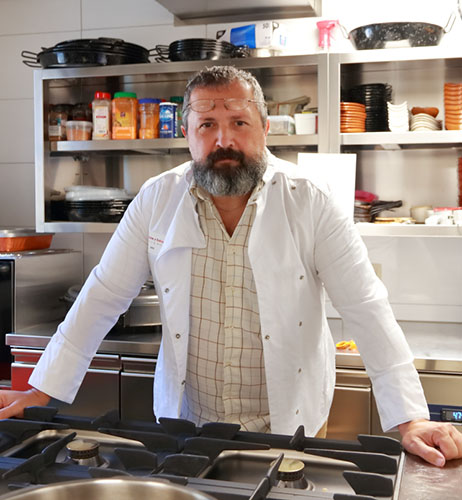
Hello there! I'm Edu, and I'm here to share my Spanish recipes for you to enjoy! As a cook, I love sharing my heritage through food, featuring the dishes our parents and grandparents made in Spain. From time to time, I still discover new culinary creations. Join me on this flavorful adventure and explore the delicious world of Spanish cuisine!