An Easy Escalivada Recipe | A Classic Roasted Vegetable Dish
(Escalivada de Pimientos)
By Edu Valor / Author - Spanish Chef
Make this easy escalivada recipe, a traditional Spanish roasted vegetable dish from Catalonia. You won’t regret its health benefits, though you might need to acquire a taste for it… just like I did.
You can serve it as a light main dish, a side salad, or even as tapas. As I grew older, I learned to appreciate escalivada for what it truly is: pure, simple, nourishing food.
Its origins go back to humble peasant kitchens in Catalonia. From there, the dish spread to Aragón and into southern France, adapting slightly along the way.
Traditionally, peppers and eggplants (aubergines) were placed directly into a wood fire or grilled above open flames. The result? Smokiness and a silky interior.
If you want to know the key ingredients, preparation method, and how to serve it authentically, keep reading.
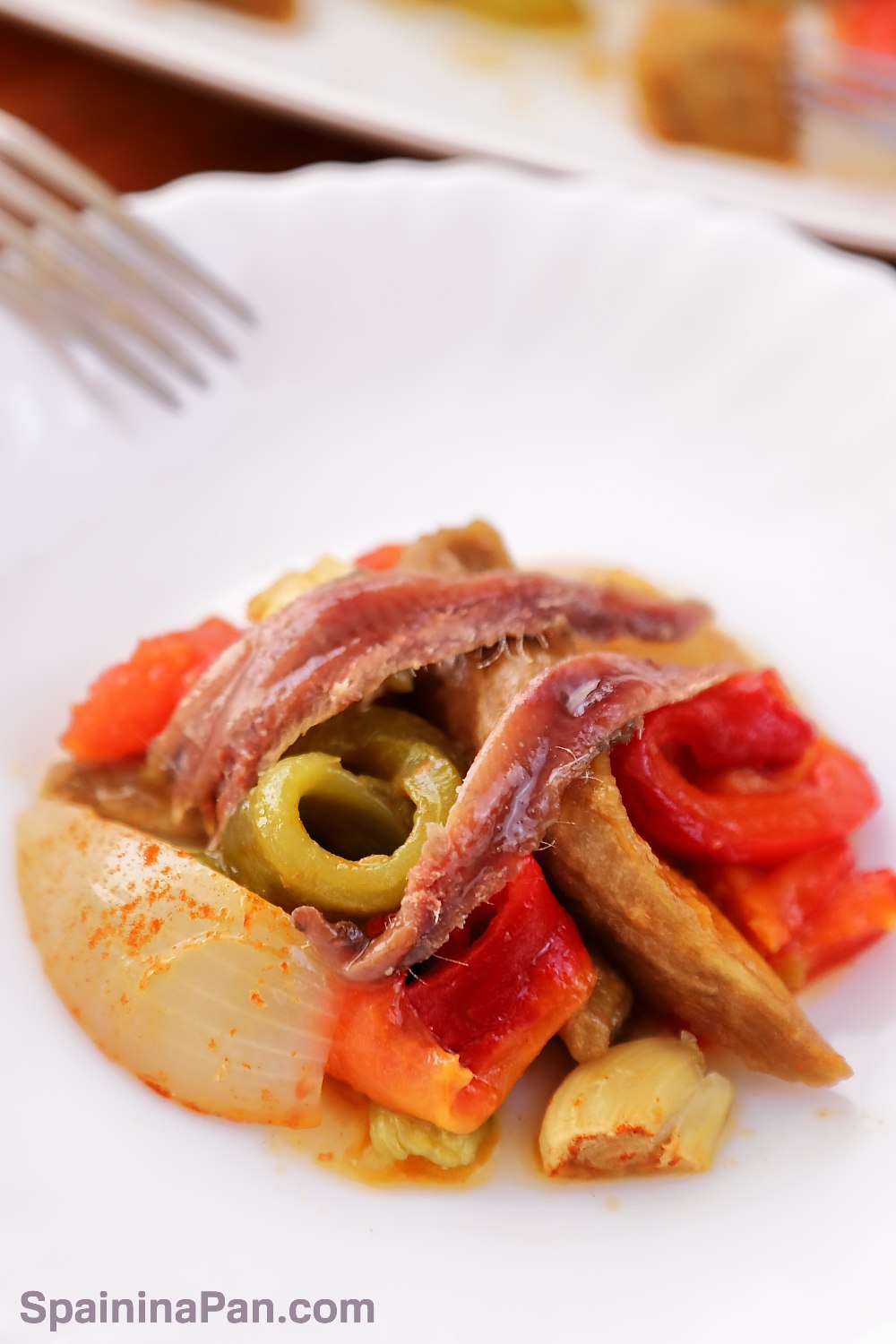
Is Escalivada Healthy? Nutritional Benefits of This Vegetable Dish
One of the best things about this easy escalivada recipe is that it’s naturally wholesome.
Escalivada is primarily a non-starchy vegetable dish, making it relatively low in calories while providing fiber, vitamins, and minerals.
- Red peppers and tomatoes are rich in vitamin C and antioxidants such as lycopene.
- Eggplant and onions contribute phytonutrients and fiber.
- Extra virgin olive oil provides heart-friendly monounsaturated fats, a cornerstone of the Mediterranean diet.
Because it’s traditionally served without animal proteins, this dish is naturally vegetarian and vegan. It’s simple food, but very nutritious, exactly the kind of dish Mediterranean cuisine is known for.
The Ingredients That Give Escalivada Its Signature Flavor
At its core, the dish is built around vegetables that can withstand intense heat:
- Bell peppers
- Eggplants (aubergines)
- Onions
- Tomatoes (added later)
- Whole garlic heads (optional but wonderful)
Olive oil is essential. It acts as both dressing and flavor carrier, enhancing the smokiness and adding richness.
Sea salt is used sparingly. I usually cut a garlic head in half and tuck it between the vegetables while roasting. Sometimes I mince a few cloves and spread them over the still-hot vegetables.
What makes escalivada so distinctive is the contrast: charred, blistered peel and soft, sweet flesh inside.
Go easy on the salt, you want the vegetables to speak for themselves.
Let's Make this Easy Escalivada Recipe
Ingredients for 4 Servings
Preparation: 10-15 minutes
Cooking: 1 hour 30 minutes, draining/cooling 1 to 1½ hours.
*Measurements in metric and US Imperial system. For British/Canadian measurements, please use the metric conversion calculator.
- 2 medium eggplants (aubergines)
- 1 large onion, cut into four wedges
- 2 medium tomatoes
- 2 medium green bell peppers
- 2 medium red bell peppers
- 1 whole garlic head, unpeeled
- 200 ml / ¾ cup olive oil
- 3 tablespoons Jerez vinegar (or wine vinegar, or regular vinegar)
- Sweet paprika, to taste
-
Sea salt, to taste
Step-by-Step Instructions
- Rinse the eggplants, peppers, onion, and tomatoes. Pat dry. Preheat the oven to 185°C (365°F). Pierce the eggplants a few times with a knife so steam can escape while roasting.
- Place the eggplants, peppers, garlic head, and onion wedges on a baking tray. Drizzle generously with olive oil. Roast for 1 hour, turning the vegetables after 45 minutes. Add the tomatoes at the 1-hour mark and roast everything for another 30 minutes.
- Transfer the vegetables to a bowl and cover. Let cool for 1–1½ hours. Save the roasting juices. Peel the vegetables, remove seeds, and cut into strips or pieces. Quarter the tomatoes.
- Arrange on a serving tray. Drizzle with olive oil, sprinkle with sea salt and sweet paprika. Serve at room temperature.
Optional:
- 3 tbsp vinegar
- 2–3 tbsp reserved roasting juice
- 2 pieces roasted tomato
- A drizzle of olive oil
- Salt to taste
Blend all together. Spoon over the escalivada before serving.
TIPS:
- If you have one, place the roasted vegetables in a large strainer set over a bowl to drain excess juices.
- Don’t overpower the dish, escalivada is about the vegetables and olive oil, not heavy seasoning.
- It’s perfectly fine (and desirable) if the bell peppers turn black in places. That’s flavor.
- Serve with fish, grilled meat, anchovies, cheese, or boiled eggs.
- Toast a slice of bread and top it with escalivada. That’s how this dish truly shines.
What You Will Need
- Bowl (with optional strainer if possible)
- Paring knife
- Tablespoon
- Cutting board
- Measuring beaker
- Small pitcher or measuring beaker
- Oven tray
- Blender (optional)
From Rustic Side Dish to Elegant Starter | How to Serve Escalivada
Escalivada is often served at room temperature as a side dish. It pairs beautifully with grilled meats or fish.
I love how some Catalans serve it simply on toasted bread, like a montadito. Just good bread, olive oil, and roasted vegetables. Nothing more.
For a light meal, try a coca de escalivada, a thin, rustic Spanish flatbread topped with the vegetables. In that form, this easy escalivada recipe becomes an effortless lunch or dinner.
In restaurants, you’ll see more elaborate presentations. Anchovies are a classic addition. Olives or cheese may be added to turn it into a composed starter.
Still, the core never changes: roasted vegetables dressed with olive oil.
On toasted bread remains my favorite way of enjoying this traditional dish.
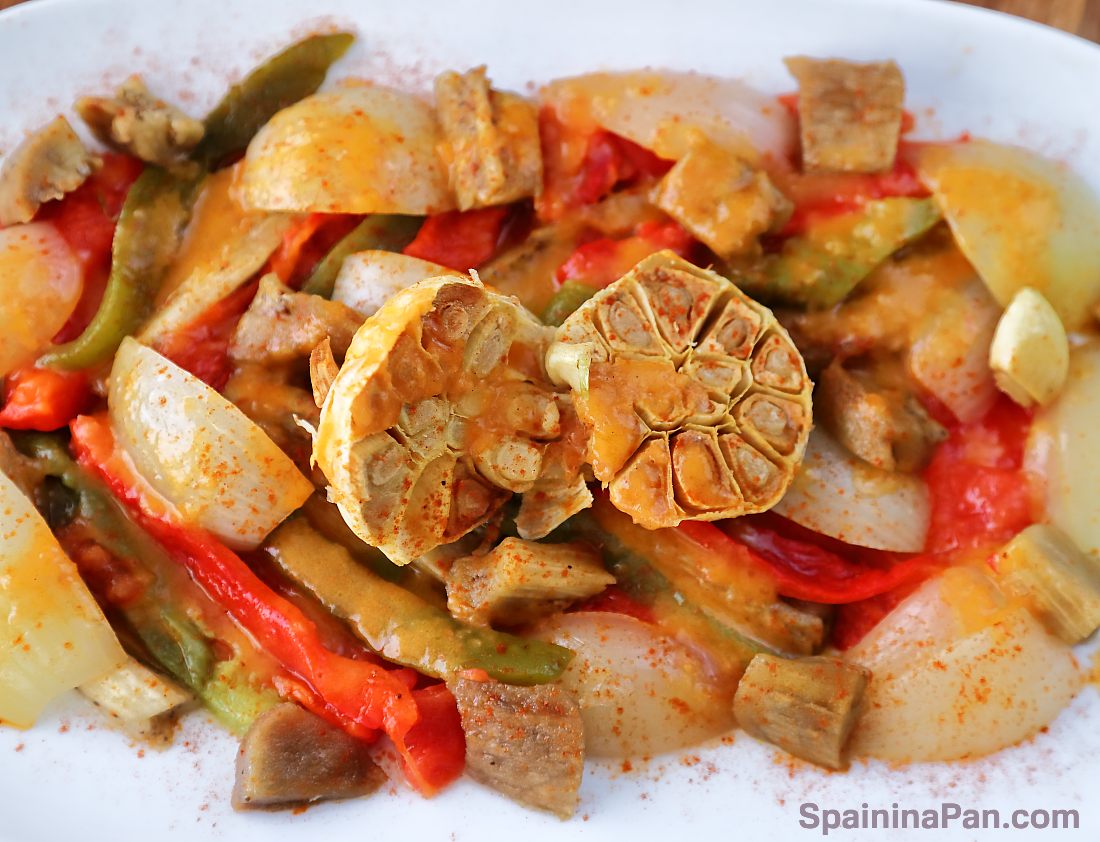 Fresh from the oven.
 Fresh from the oven.
How Escalivada Is Traditionally Prepared in Catalonia
The traditional method is simple. Whole peppers, eggplants, and onions are placed directly on glowing embers or over an open grill. Sometimes tomatoes are added to the grill.
Once the skins are blackened and the inside is tender, the vegetables are transferred to a covered bowl to steam briefly. This makes peeling easier.
The peeled flesh is then cut into strips and arranged on a tray. Finally, it’s dressed generously with olive oil and sometimes garlic.
This straightforward method highlights the vegetables’ natural sweetness and smoky depth, no elaborate seasoning needed.
Why “Escalivada” Really Means
The word comes from the Catalan verb escalivar, meaning “to roast in embers.”
It refers to placing vegetables directly on burning wood coals or over them, allowing the skins to blacken while the flesh becomes soft and infused with smoke.
This technique was common in rural Catalan kitchens that cooked over open fires. In fact, open-fire cooking was once widespread across Spain, often using simple grills or earthenware pots.
This easy escalivada recipe keeps that spirit alive, even if you’re using a modern oven instead of glowing embers.
*****
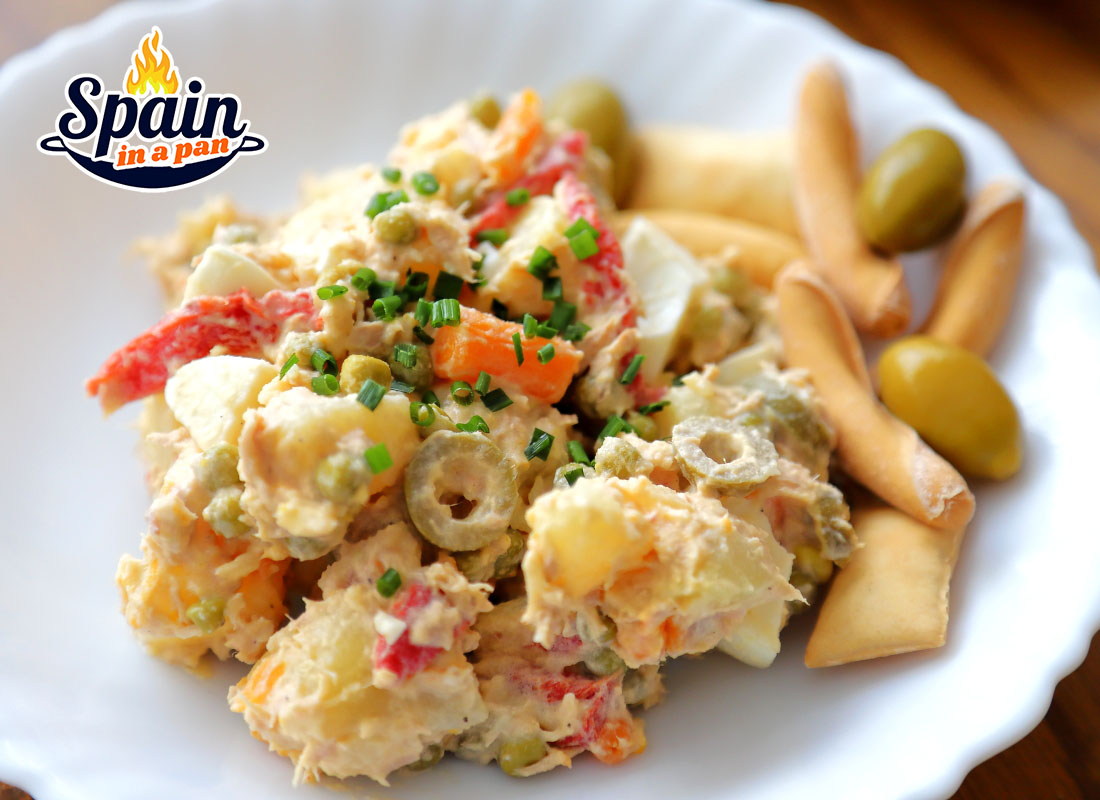
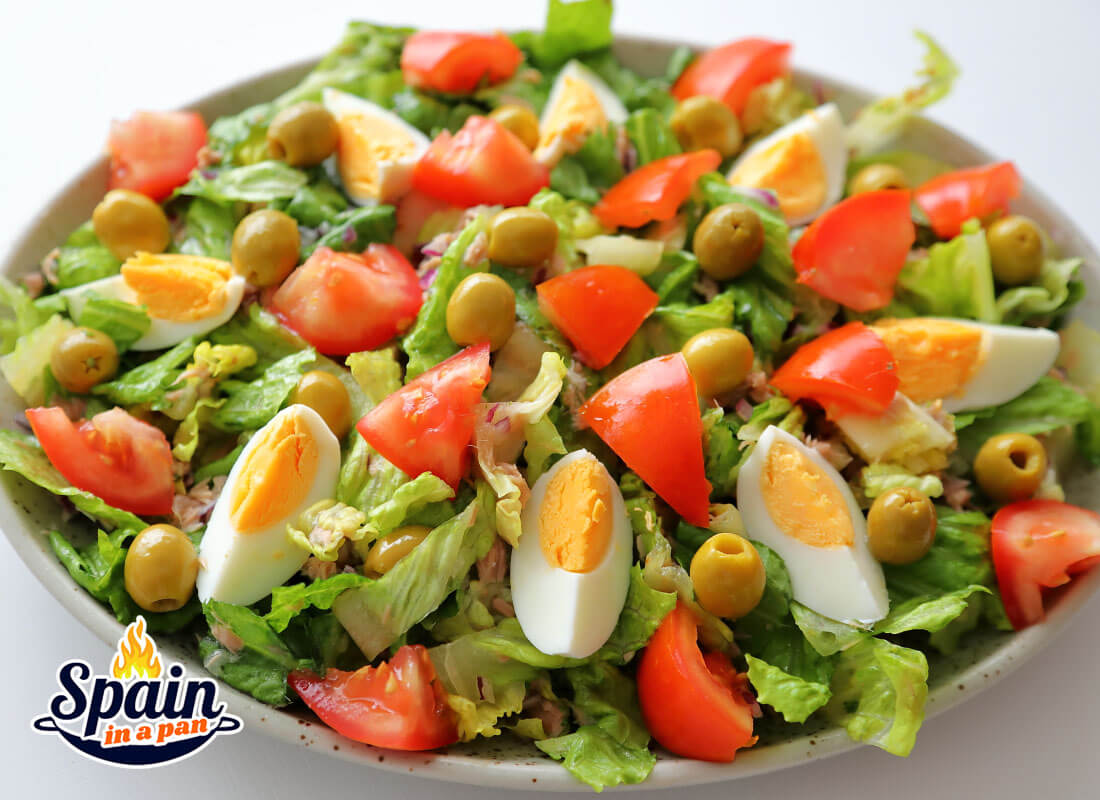
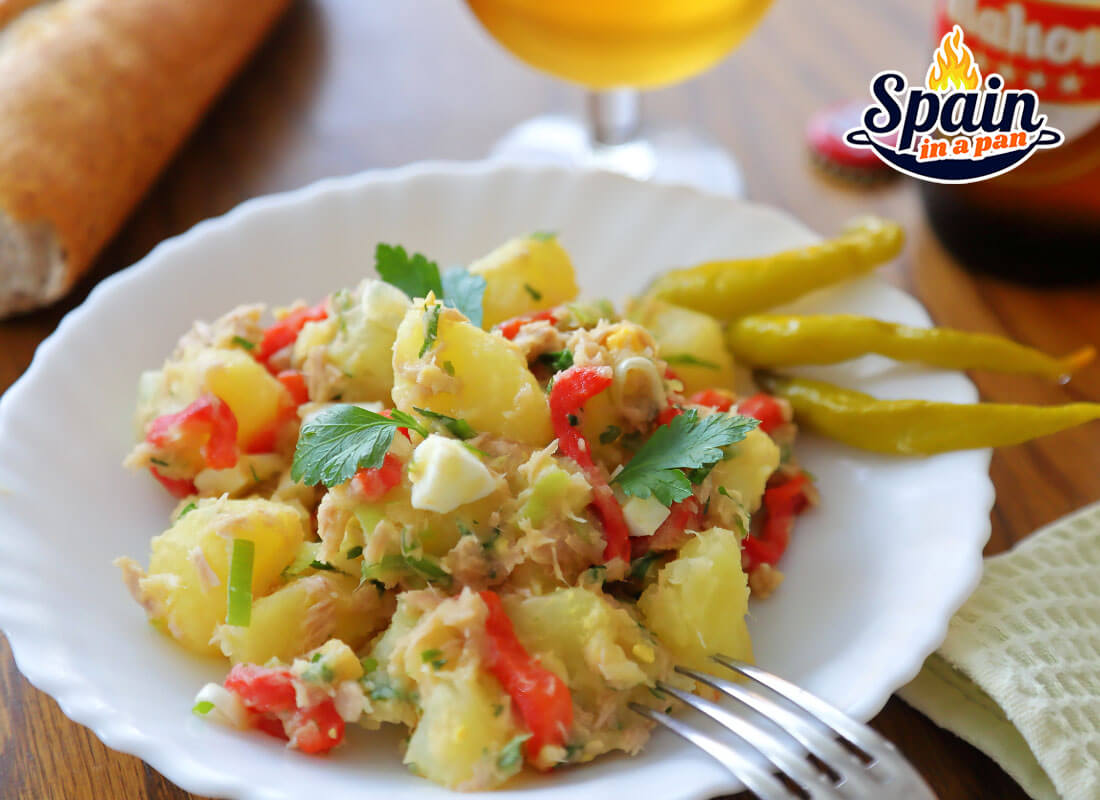
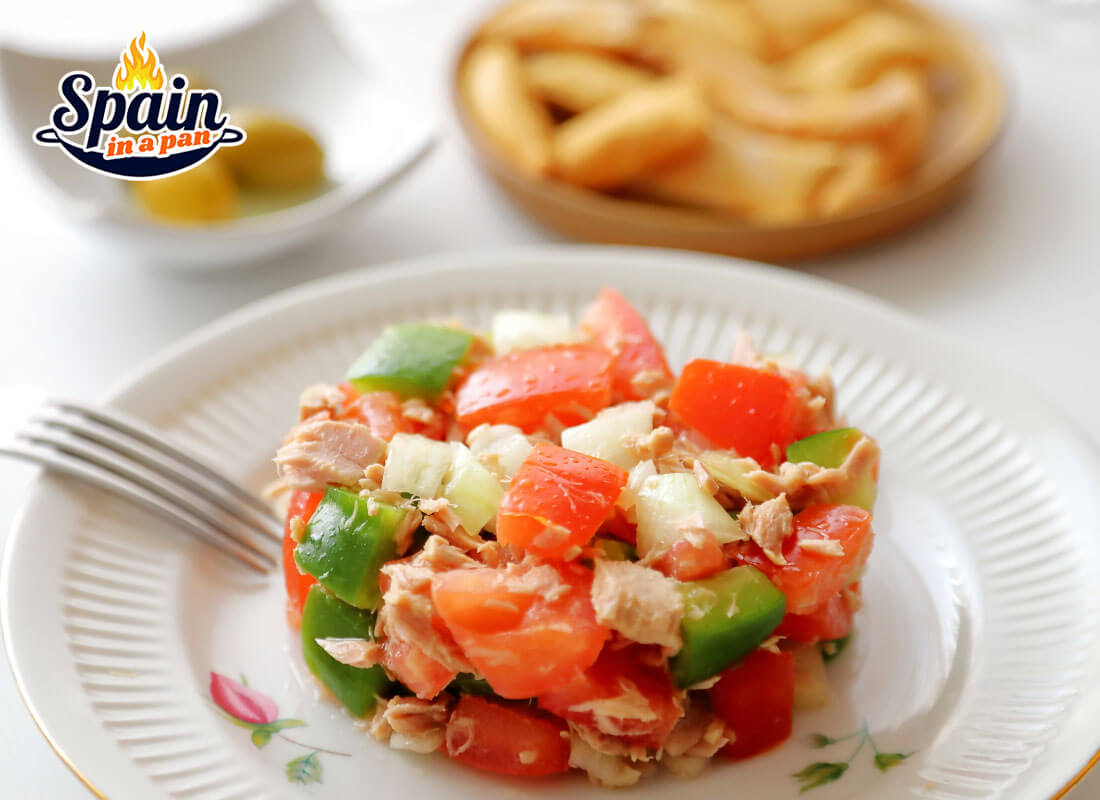
Edu's Authentic Spanish Salads
Recent Articles


-
Easy Spanish Chicken and Eggs Soup
 A comforting Spanish chicken and eggs soup recipe. Simple ingredients, great flavor and ready in under an hour.
 -
Spanish Scrambled Potatoes | Easy 20-Min Recipe
Spanish scrambled potatoes with a crispy, golden finish. This easy 20-minute recipe delivers natural, authentic flavor with simple ingredients. -
The Best Recipe for Torrijas from Spain!
Try the best recipe for torrijas from Spain. Learn how to make this classic treat at home in simple steps.



Hello there! I'm Edu, and I'm here to share my Spanish recipes for you to enjoy! As a cook, I love sharing my heritage through food, featuring the dishes our parents and grandparents made in Spain. From time to time, I still discover new culinary creations. Join me on this flavorful adventure and explore the delicious world of Spanish cuisine!