- HOME
- Vegetable Recipes
- Pisto Manchego
Authentic Pisto Manchego Recipe – Traditional Vegetable Stew
(Pisto Manchego)
By Edu Valor / Author - Spanish Chef
The versatile pisto manchego can be enjoyed warm or cold. This authentic pisto manchego recipe from Castilla–La Mancha is a classic summer dish. Simple, rustic, and full of flavor.
I still remember the first time I made it on my own: the entire house smelled like slow-simmered tomatoes and peppers, and by the time it was done, I had already eaten some of it straight from the pan. That’s when I understood why my family never made “just a little.”
It works beautifully as a tapa, and if you’d like to make it heartier, you can add potatoes or serve it alongside a bit of meat. In Spain, it’s also common to find it topped with fried eggs and accompanied by rice or even fish.
It isn’t typically considered a main dish, but for us, it certainly became one more than once.
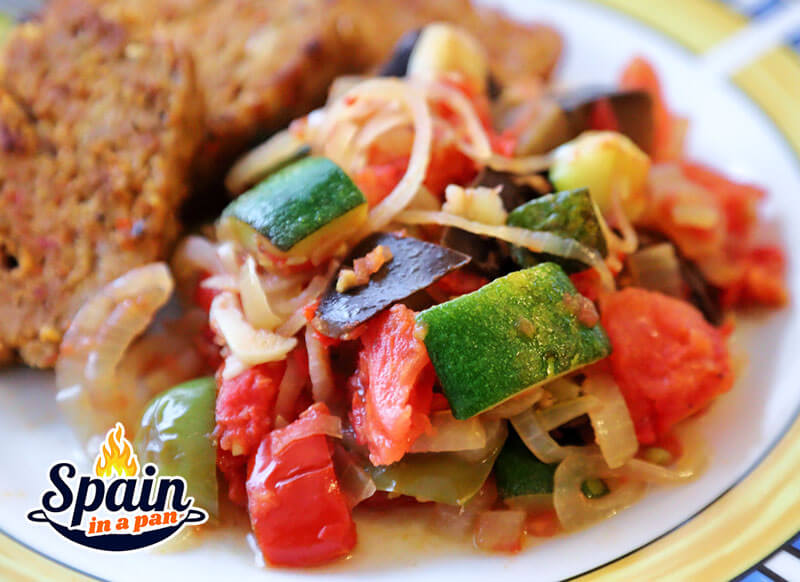
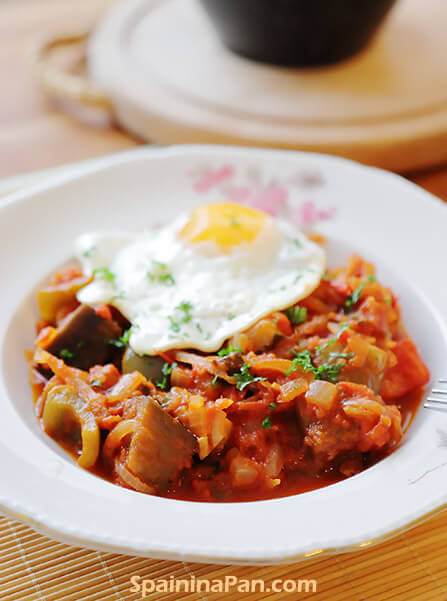
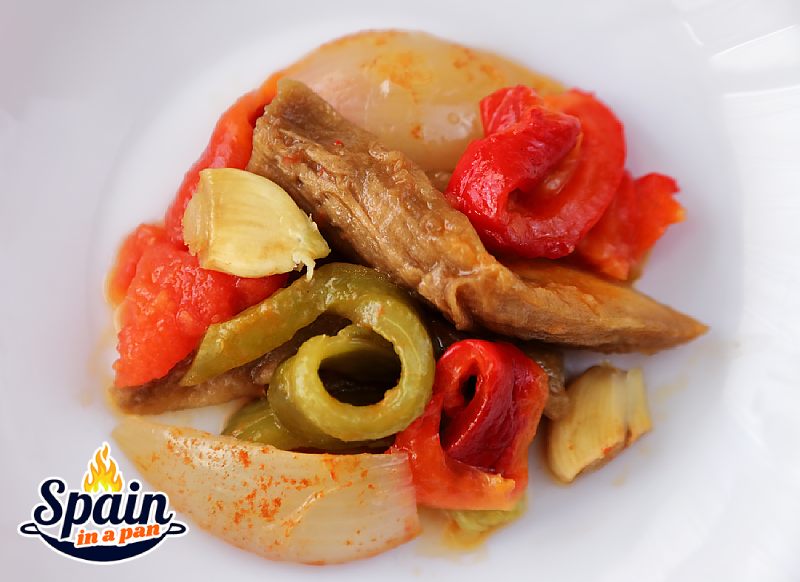
We had it often enough to know it’s perfect just as it is, no extras necessary. My mother would occasionally make it with boneless chicken pieces, and it worked like a charm. But when we had it without the bird, we never missed it.
This Spanish vegetarian (and vegan) dish truly doesn’t need anything else to shine. Its popularity throughout Spain says it all.
Cold on a piece of toasted bread on a summer’s day might be all you need for lunch. With fresh vegetables, pisto manchego has a way of winning your heart.
For some dishes, the choice between fresh and not-so-fresh vegetables makes all the difference, and this authentic pisto manchego recipe is definitely one of them.
Let's Make the Authentic Pisto Manchego Recipe
Ingredients for 4 Servings
Preparation: 10-15 minutes
Cooking: 20 minutes for browning, 40 minutes for cooking
*Measurements in metric and the USA Imperial system. For British/Canadian measurements, please use the metric conversion calculator.
- 300 g / 10.5 oz tomatoes, diced large
- 300 g / 10.5 oz tomato puree
- 300 g / 10.5 oz zucchini, diced large
- 300 g / 10.5 oz eggplant, diced large
- 1 large onion, diced (or sliced)
- 3 garlic cloves, minced
- 1 red bell pepper, diced large
- 1 green bell pepper, diced large
- 1 tsp dried thyme
- 1 tsp dried oregano
- ½ tsp lemon juice (or to taste)
- 1 bay leaf
- 5 tbsp olive oil
- Salt and pepper, to taste
Step-by-Step Instructions
- Heat 2 tablespoons of olive oil in a large cooking pot. Add the onions and garlic, and sauté until they turn translucent. Turn off the heat and set aside.
- In a large frying pan over high heat, brown the eggplant in 1 tablespoon of olive oil. Once nicely colored, add the eggplant to the pot with the onions.
- Repeat the same browning process with the zucchini, using 1 tablespoon of olive oil. Add them to the pot.
- Do the same with the bell peppers, browning them before adding them to the pot as well.
- Pour in the tomato puree, add the tomato pieces, bay leaf, oregano, thyme, and give everything a good stir. Season with salt and pepper. Bring to a boil and cook covered over medium heat for about 20 minutes. Stir occasionally.
- Add the lemon juice. Taste and adjust seasoning if needed. Turn the heat to medium-low and cook for another 20 minutes, uncovered.
- The pisto should have very little or no broth. Let it reduce more if needed.
TIPS:
- Feel free to add your own seasonings, rosemary, basil, or even a pinch of smoked paprika.
- If you prefer a softer, more “mushy” pisto, simply cook it a bit longer uncovered. Some regions in Spain like it that way. Remember to stir now and then.
- The traditional recipe does not include eggplant. Substitute with diced potatoes if you prefer.
- For a smoother finish, some chefs peel the tomatoes first. To do this easily, submerge them in hot water for about 30 seconds, then slip off the skins.
- If there's still broth, cook without a cover until most of it evaporates.
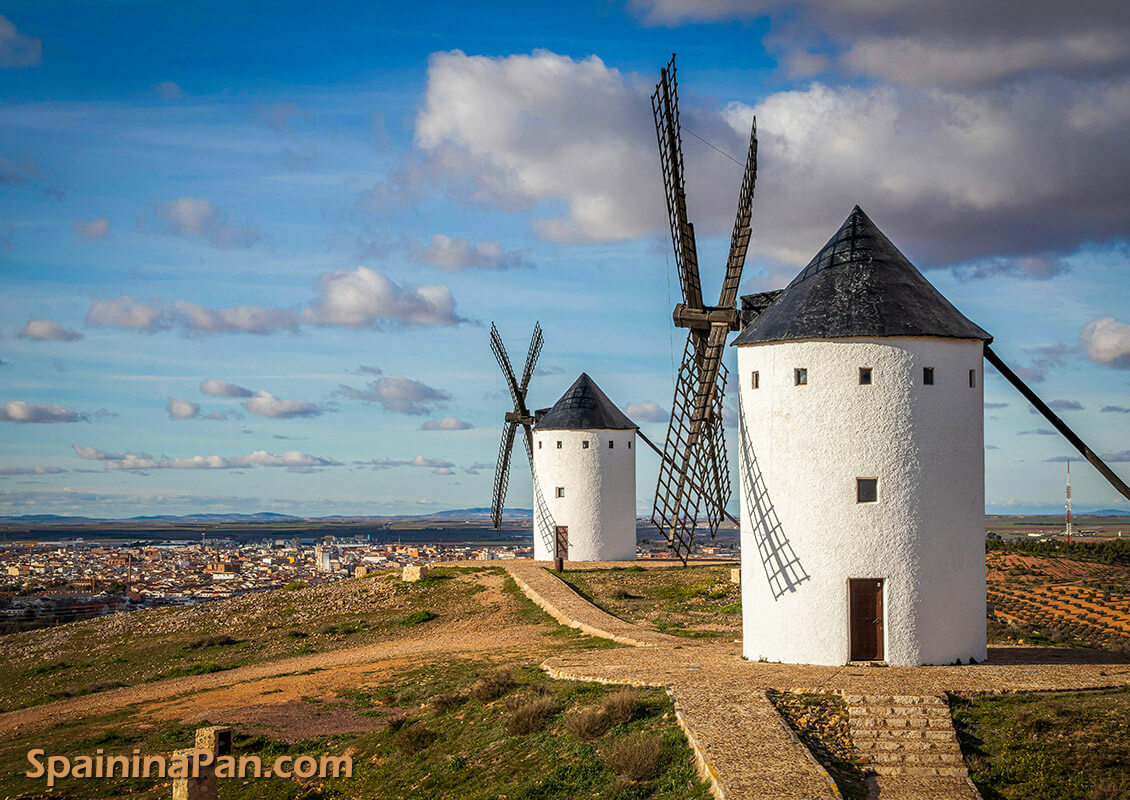 The "monstrous giants" of La Mancha. Photo by Jorge Urosa.
 The "monstrous giants" of La Mancha. Photo by Jorge Urosa.
What is Pisto Manchego?
Pisto manchego is a humble, vegetable-only stew loved throughout Spain. Like many iconic Spanish dishes, it comes in countless regional and family variations. At its core, though, it’s a simple, flavorful starter or side made with tomatoes, peppers, zucchini, onion, and sometimes eggplant.
Traditionally, the vegetables are gently fried in olive oil before the tomatoes are added. The method is straightforward, the ingredients are basic, and that’s exactly why the dish is so beloved. Rustic, forgiving, and easy to prepare.
Its original purpose is simple: a light entrée to take the edge off your hunger before the main course arrives. In our family, though, it often became the main event. Especially when served with plenty of bread. One pot never felt like enough.
Pisto is one of Spain’s many naturally vegetarian and vegan dishes, and part of its charm lies in its adaptability. The exact ingredients shift with the seasons, which is why you’ll find so many variations across the country.
What You Will Need
- Large cooking pot
- Fry pan
- Paring knife
- Measuring beaker
- Measuring spoons
- Scale
- Cutting board
- Bowls
- Spatula
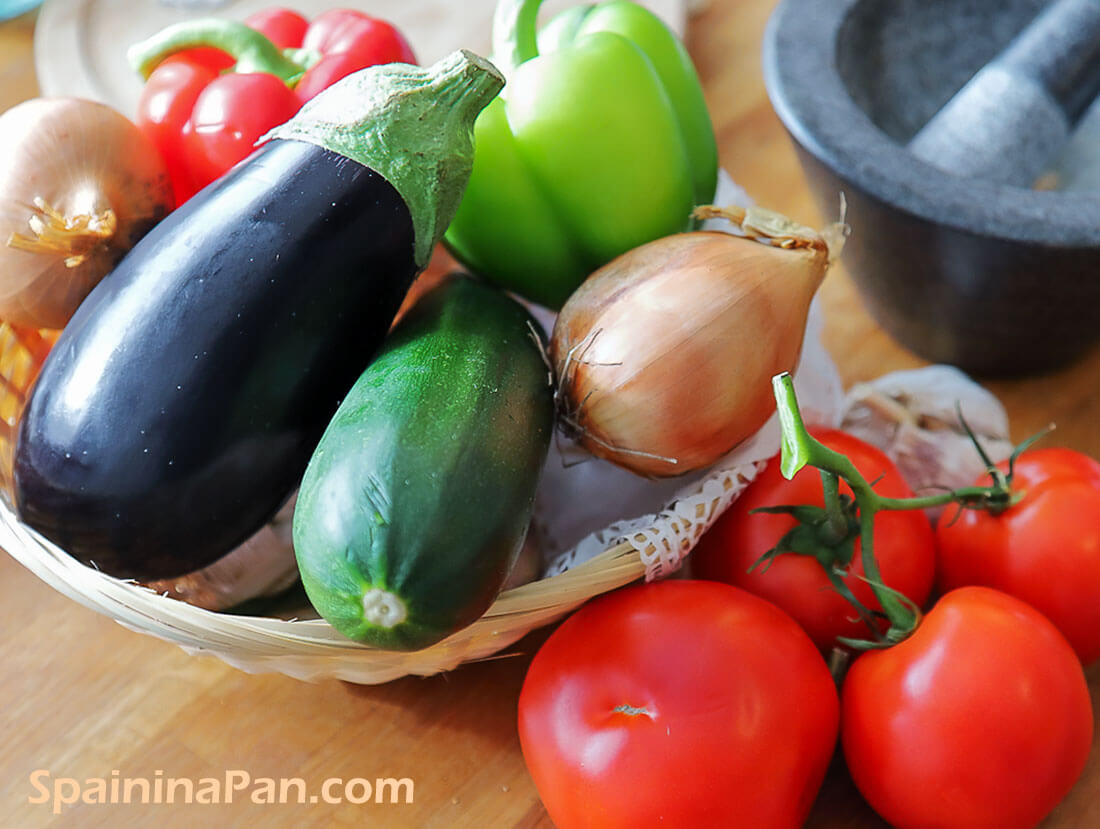 The main ingredients to make pisto.
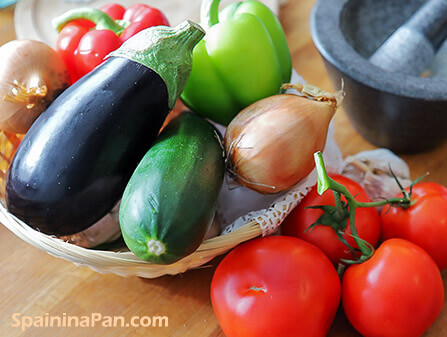 The main ingredients to make pisto.
My Serving Suggestions
A dish as adaptable as pisto manchego opens up a world of serving possibilities. It pairs effortlessly with both meat and fish.
I especially enjoy it with grilled chicken breast or a good beefsteak. Other sides that work beautifully include:
- Pork chops
- Sausages
- Tuna steak
- Burgers
- Chickpeas
- Baked potatoes
…and I’m sure you’ll come up with your own favorites. I’ve even seen versions where diced jamón or bacon is folded into the pisto itself, simple but delicious.
Eggs and rice are always reliable companions, too, and that’s exactly how it’s often served in La Mancha.
And yes, I know not all of these options are vegetarian or vegan, but honestly, the dish stands strong on its own. Add some whole-wheat bread, toast it if you like, and you won’t feel like you’re missing a thing.
And of course, you can always tweak this authentic pisto manchego recipe with your favorite seasonal vegetables.
*****
Edu's Wholesome Vegetable Recipes
Recent Articles


-
Easy Spanish Chicken and Eggs Soup
 A comforting Spanish chicken and eggs soup recipe. Simple ingredients, great flavor and ready in under an hour.
 -
Spanish Scrambled Potatoes | Easy 20-Min Recipe
Spanish scrambled potatoes with a crispy, golden finish. This easy 20-minute recipe delivers natural, authentic flavor with simple ingredients. -
The Best Recipe for Torrijas from Spain!
Try the best recipe for torrijas from Spain. Learn how to make this classic treat at home in simple steps.





Hello there! I'm Edu, and I'm here to share my Spanish recipes for you to enjoy! As a cook, I love sharing my heritage through food, featuring the dishes our parents and grandparents made in Spain. From time to time, I still discover new culinary creations. Join me on this flavorful adventure and explore the delicious world of Spanish cuisine!